Category Behavioral Science (OB)

Behavioral Science, within the domain of Organizational Behaviour (OB), focuses on understanding how individuals and groups behave in structured social and work environments. At Vishwajeet.org, Behavioral Science (OB) is approached as an applied discipline that integrates psychology, sociology, and management science to explain real workplace behaviour.

This category presents insights on human behaviour at work, including motivation, attitude formation, decision-making, leadership behaviour, group dynamics, organizational culture, and employee engagement. The articles examine why people behave the way they do in organizations and how these behavioural patterns influence performance, learning, ethics, and change.

Rather than offering simplified managerial advice, the emphasis is on evidence-based interpretation of behaviour drawn from academic teaching, research, classroom interaction, and professional training experiences. Concepts are explained through behavioural frameworks, workplace scenarios, and reflective analysis relevant to managers, educators, HR professionals, and students of management and social sciences.

This category supports leadership development, people management, faculty training, and organizational development initiatives by translating behavioural theory into practical understanding. Readers gain clarity on how behavioural science can be used to design better learning systems, build healthier work cultures, and make informed people-related decisions in complex organizational contexts.

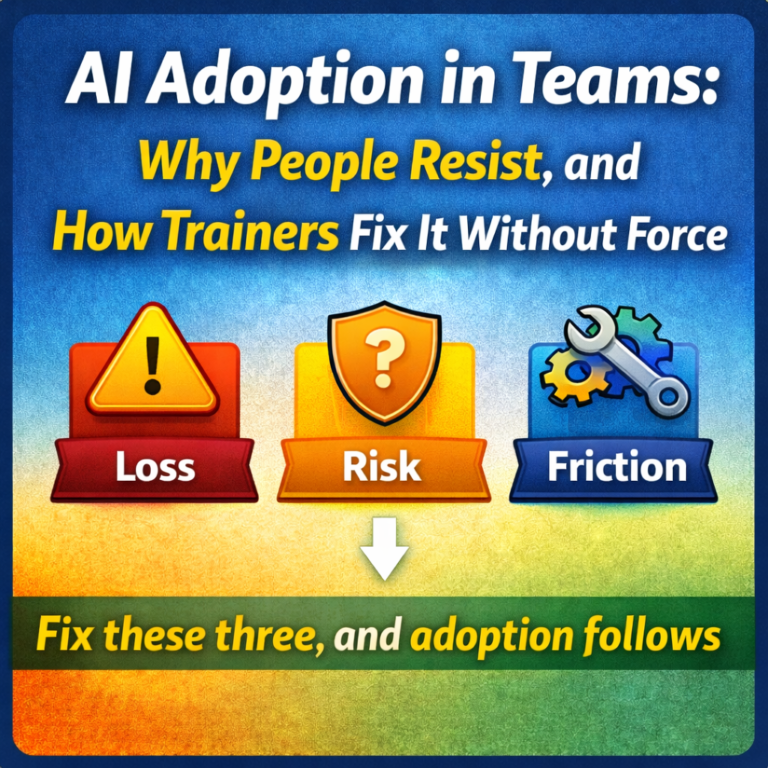
AI Adoption in Teams: Why People Resist and How to Fix It

Teams don’t resist AI because they “hate change.” They resist loss, risk, and friction. This post explains the six predictable reasons AI adoption fails—competence fear, unclear value, workflow friction, psychological risk, policy uncertainty, and missing reinforcement—and shows how trainers fix adoption without force. Using practical principles from the Technology Acceptance Model, psychological safety research, and structured change frameworks, you get a trainer-led playbook plus a 30–60–90 day plan to turn AI from a one-time experiment into daily team workflow.

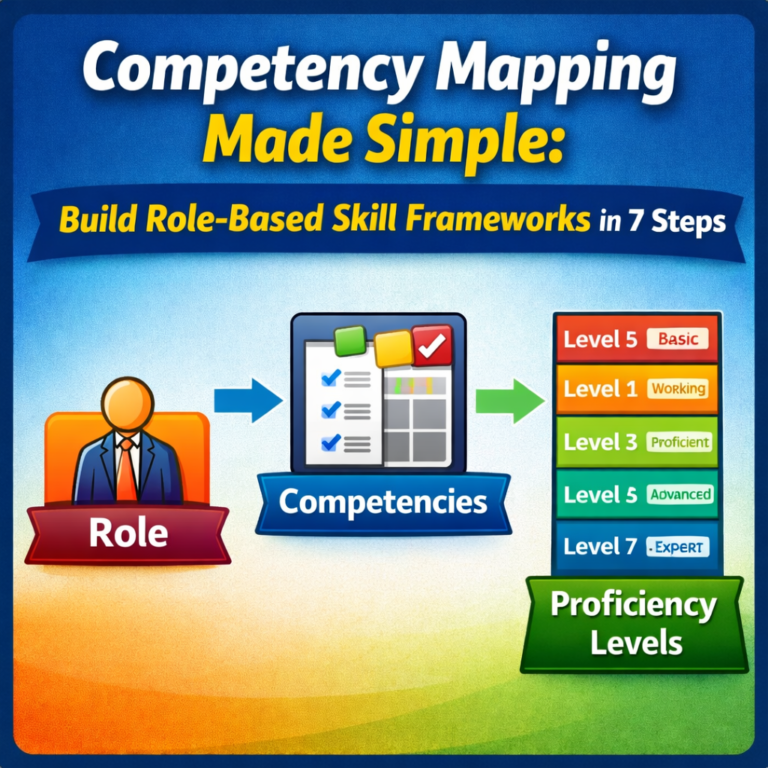
Competency Mapping Made Simple: Build Role-Based Skills in 7 Steps

Competency mapping is the fastest way to turn job roles into measurable capability. This article explains a practical 7-step method to build role-based competency frameworks: start with job analysis, group competencies logically, define proficiency levels, write behavioral indicators, validate with stakeholders, and operationalize the model into hiring, training, and performance workflows. Includes ready-to-copy templates for a role profile canvas, competency matrix, and proficiency rubric.