AI Tools for Social Science Research MOOC
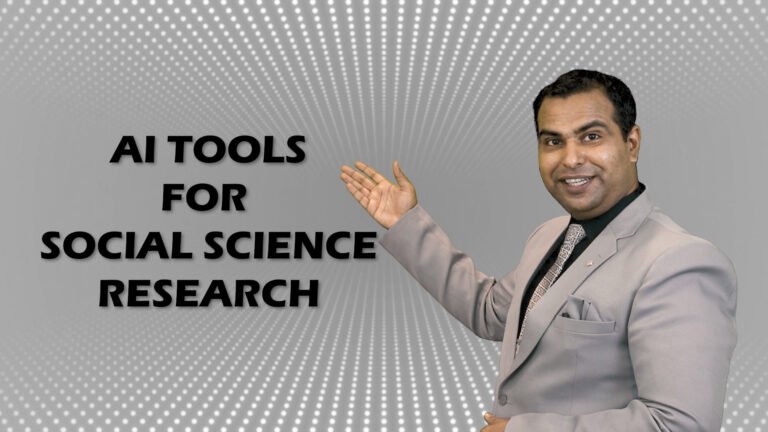
Master AI-augmented social research. Learn Agentic AI, Scopus AI, literature mapping, and automated data sourcing. Build an ethics-aligned, publisher-ready pipeline.
Learning and Development (L&D) is a strategic function that shapes organizational capability, workforce readiness, and long-term performance. At Vishwajeet.org, Learning and Development is approached as a structured, outcome-driven discipline grounded in instructional design principles, behavioural science, and real-world organizational practice.
This category features insights on how individuals and organizations learn effectively in modern work environments. The articles explore training design, adult learning principles, gamification, blended learning models, faculty development, and capability-building initiatives aligned with business and institutional goals. Special emphasis is placed on designing learning experiences that go beyond content delivery and focus on skill transfer, behavioural change, and measurable impact.
Our Learning and Development insights are informed by corporate training programs, academic teaching, faculty development workshops, and applied research in organizational behaviour and human resource development. Rather than offering theoretical commentary alone, the focus remains on practical frameworks, instructional strategies, and reflective case discussions relevant to trainers, educators, HR professionals, and learning leaders.
This category supports organizations and institutions seeking to build effective learning cultures, improve training ROI, and design learner-centric development programs that are scalable, relevant, and sustainable in today’s dynamic environment.
Master AI-augmented social research. Learn Agentic AI, Scopus AI, literature mapping, and automated data sourcing. Build an ethics-aligned, publisher-ready pipeline.
How online learning for 520 ODL learners was governed using Kirkpatrick L1–L4 evidence, MS Forms checks, corrective action loops, and outcome discipline.
Bharati Vidyapeeth • 2024–25 MS Teams • VILT at scale Stream: Career Readiness Enablement Running 104 Virtual Sessions: maximum Engineering with Breakout Rooms Career readiness cannot rely on occasional talks. This case shows how I ran a structured webinar program…
How a Moodle-first ODL design made learning self-explanatory, repeatable, and trackable—using digital learning aids, practice tasks, and evidence-based checks.
A Google Classroom–driven, gamified career-readiness system: structured submissions, rubrics, tool integrations, mock interviews, and measurable progress across large cohorts.
A publish-safe case on creating 92 story-led microlearning videos for OB/HRM to shift classroom time from lectures to application, coaching, and transfer.
VISHWAJEET.ORG Sinhgad • MBA Enablement 2022–2024 ~240 learners (multi-cohort) OB • MIS • SHRM • L&D Mgmt Bloom-Aligned Curriculum Design for Fast-Changing Management Domains Some MBA subjects evolve faster than traditional curriculum cycles. This case documents how I engineered an…
A secure, internal Moodle LMS deployment enabling blended learning at scale—onboarding, microlearning, structured courses, assessments, audit trails, and analytics-driven reinforcement.
wellness sessions improved engagement, built community, and supported absenteeism reduction through practical, activity-based learning.
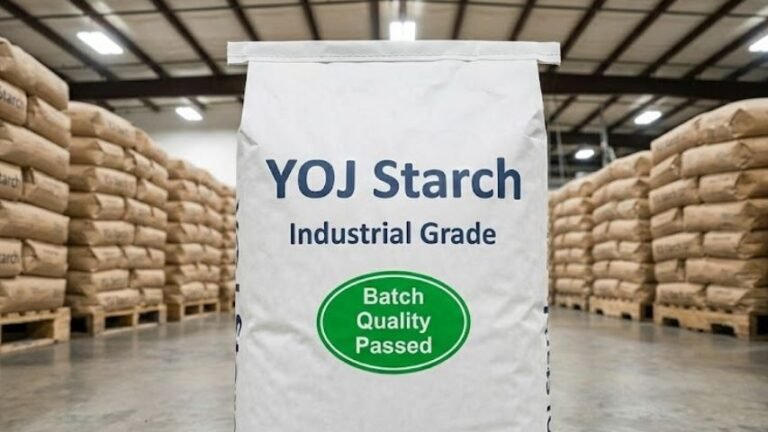
A just-in-time microlearning solution for “gum” preparation: short videos, QR access at the mixing station, and supplier expertise to standardize mixing and reduce bonding defects.