Category Social Impact

Blended Learning Models That Work in India: What to Use, When, and Why
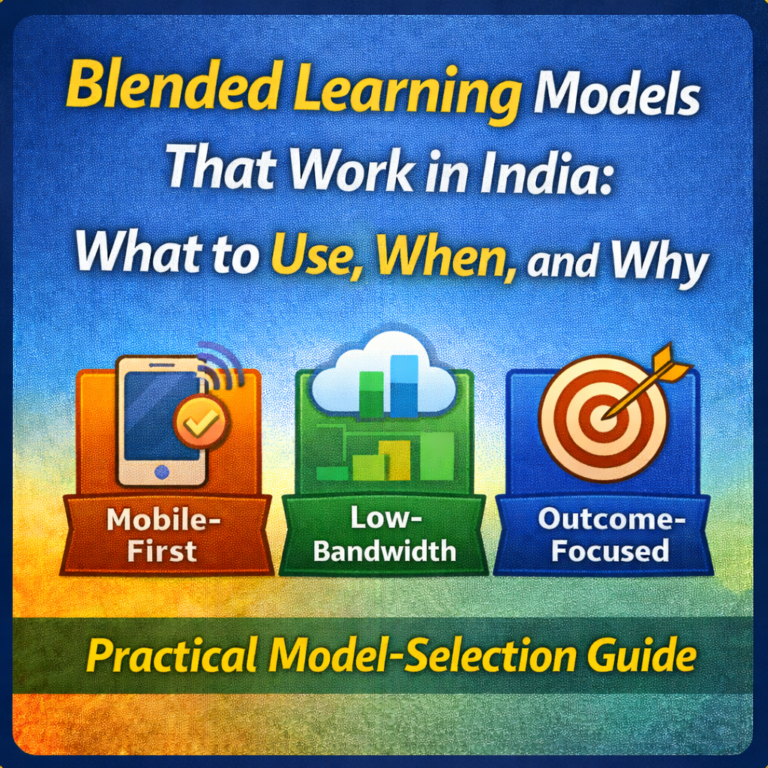
Blended learning works in India when it is designed for real constraints—mobile-first access, uneven connectivity, and high outcome pressure. This guide helps you choose the right blended learning model (flipped, rotation, flex, enriched virtual, HyFlex, cohort-based) and implement it using a simple “Content → Practice → Proof” approach that drives learning transfer, not just attendance.
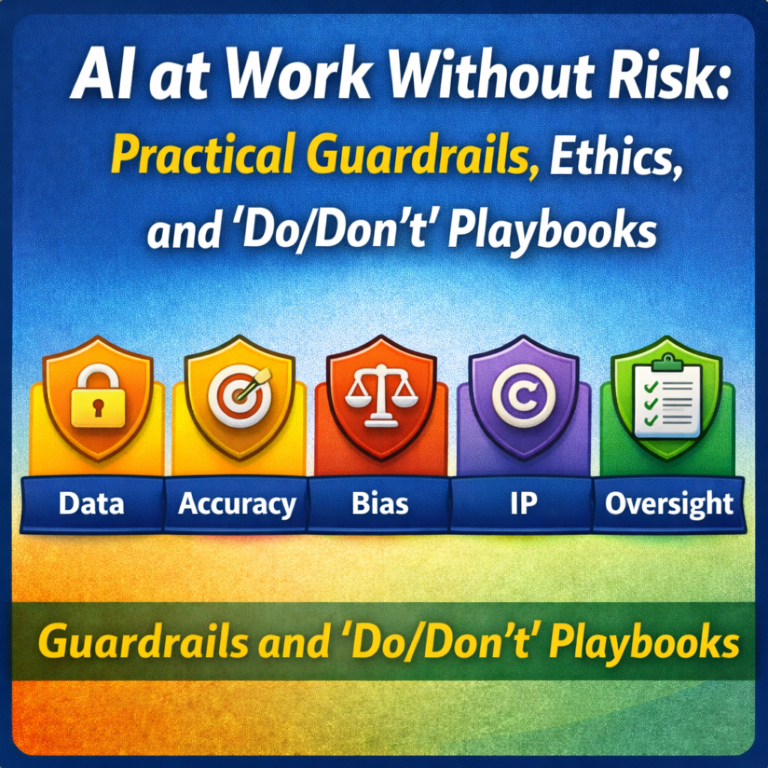
AI at Work Without Risk: Practical Guardrails & Ethics

AI risk at work is rarely “AI gone wrong.” It’s unclear rules, risky data handling, unverified outputs, and missing human oversight. This practical guide provides 10 workplace guardrails, simplified ethics that focus on real operational risks, and clear Do/Don’t playbooks by role—plus a lightweight governance checklist aligned to widely used frameworks such as NIST’s AI Risk Management Framework and ISO/IEC 42001. The result is safe AI adoption that protects people, data, and business outcomes—without slowing teams down.

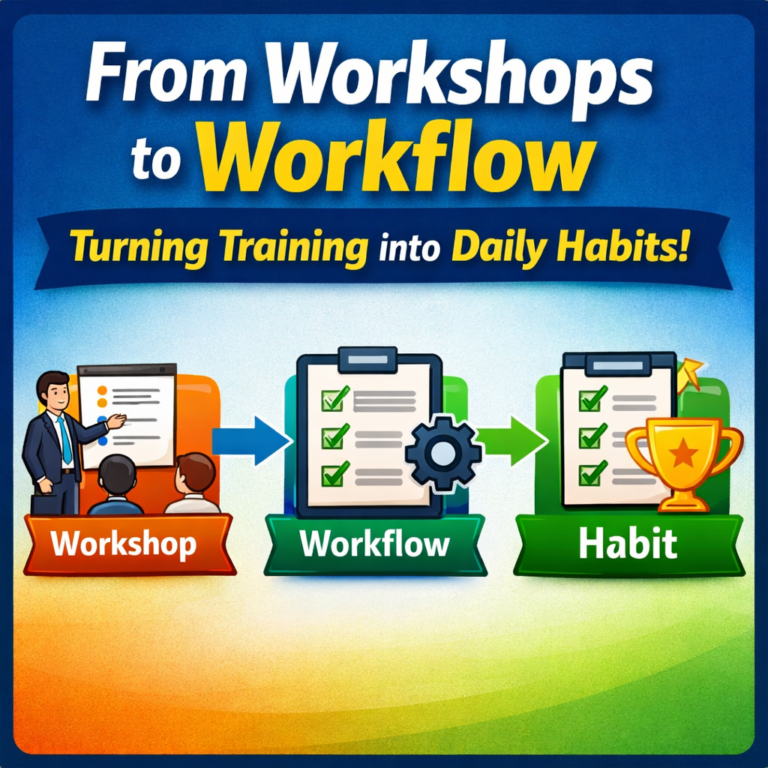
From Workshops to Workflow: Make Corporate Training Stick with Daily Habits

Most corporate training fails not because the workshop is poor, but because the workflow never changes. This article explains how to convert training into daily habits using a simple three-step framework: define one observable behavior, anchor it to an existing work moment, and build prompts plus reinforcement into the environment. With copy-ready templates and a practical 30–60–90 day plan, L&D teams and managers can make new skills show up consistently in real work.