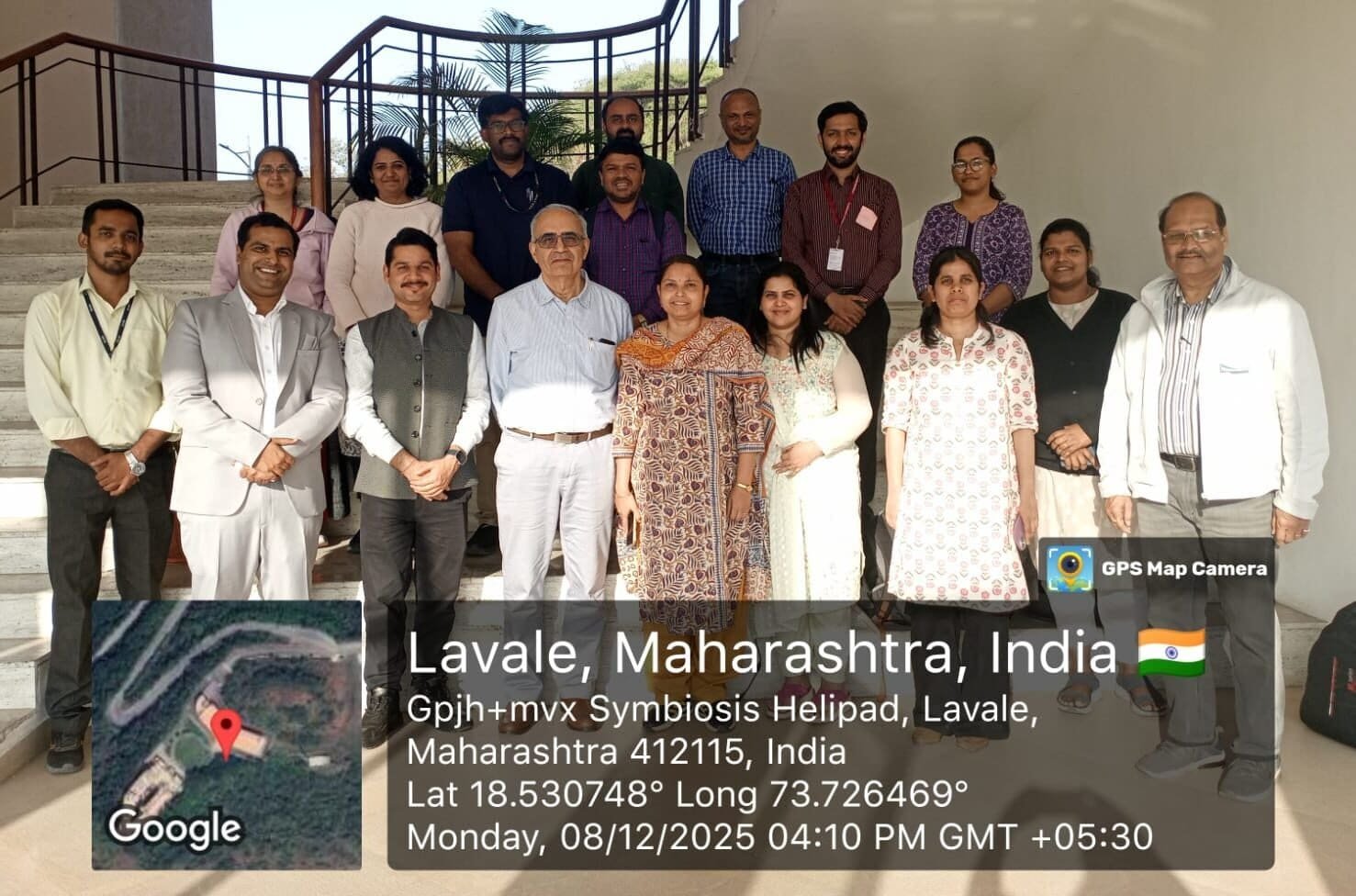
Harnessing AI Tools for Deeper Research
AI Workshop Action & Evidence
Direct evidence artifacts showcasing interactive faculty engagement and advanced AI prompt engineering methodologies inside the training center.
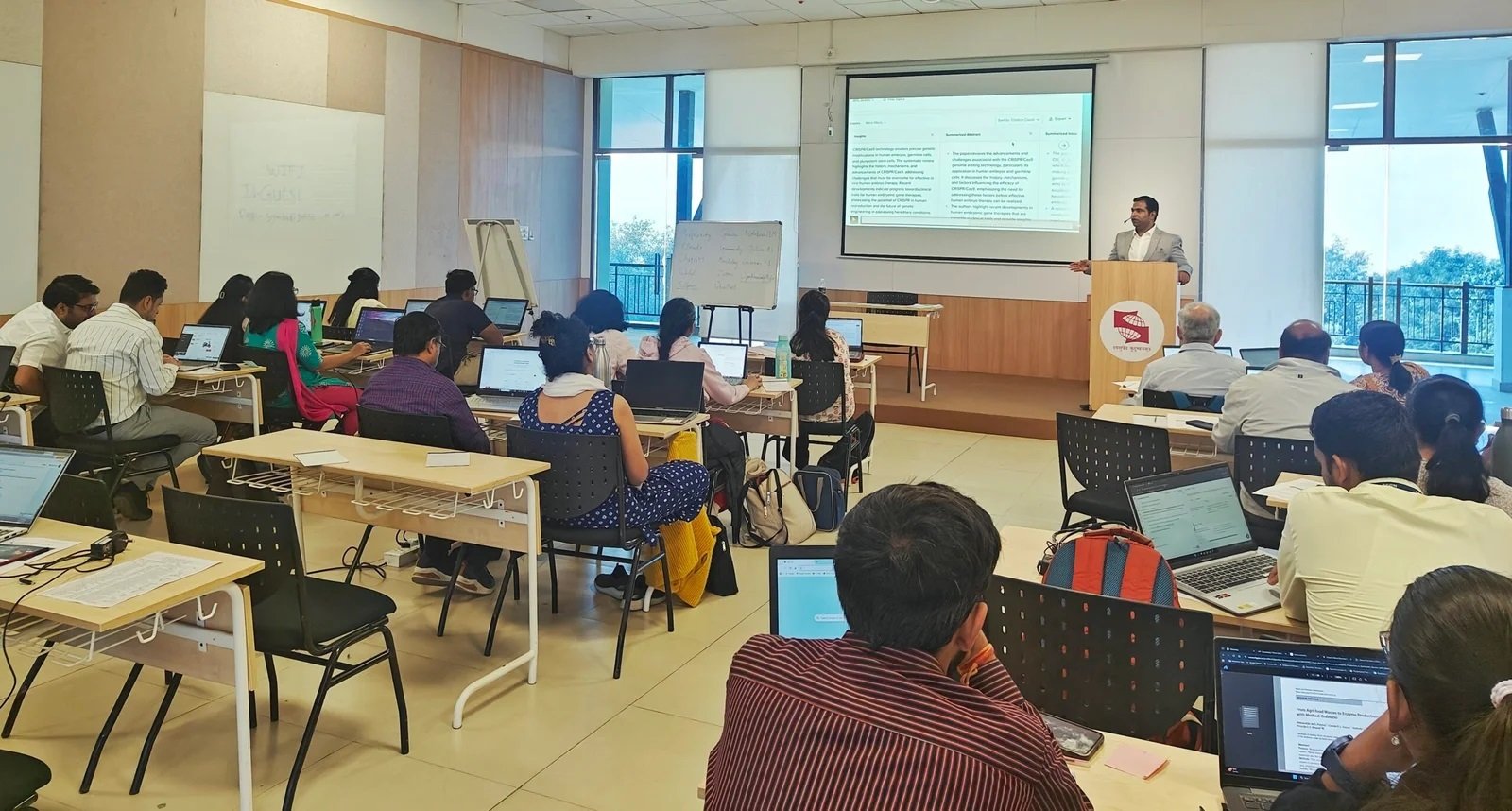
Interactive AI Workshop Session
A comprehensive, high-impact gathering of faculty and researchers actively engaging with AI tools during the intensive training session.
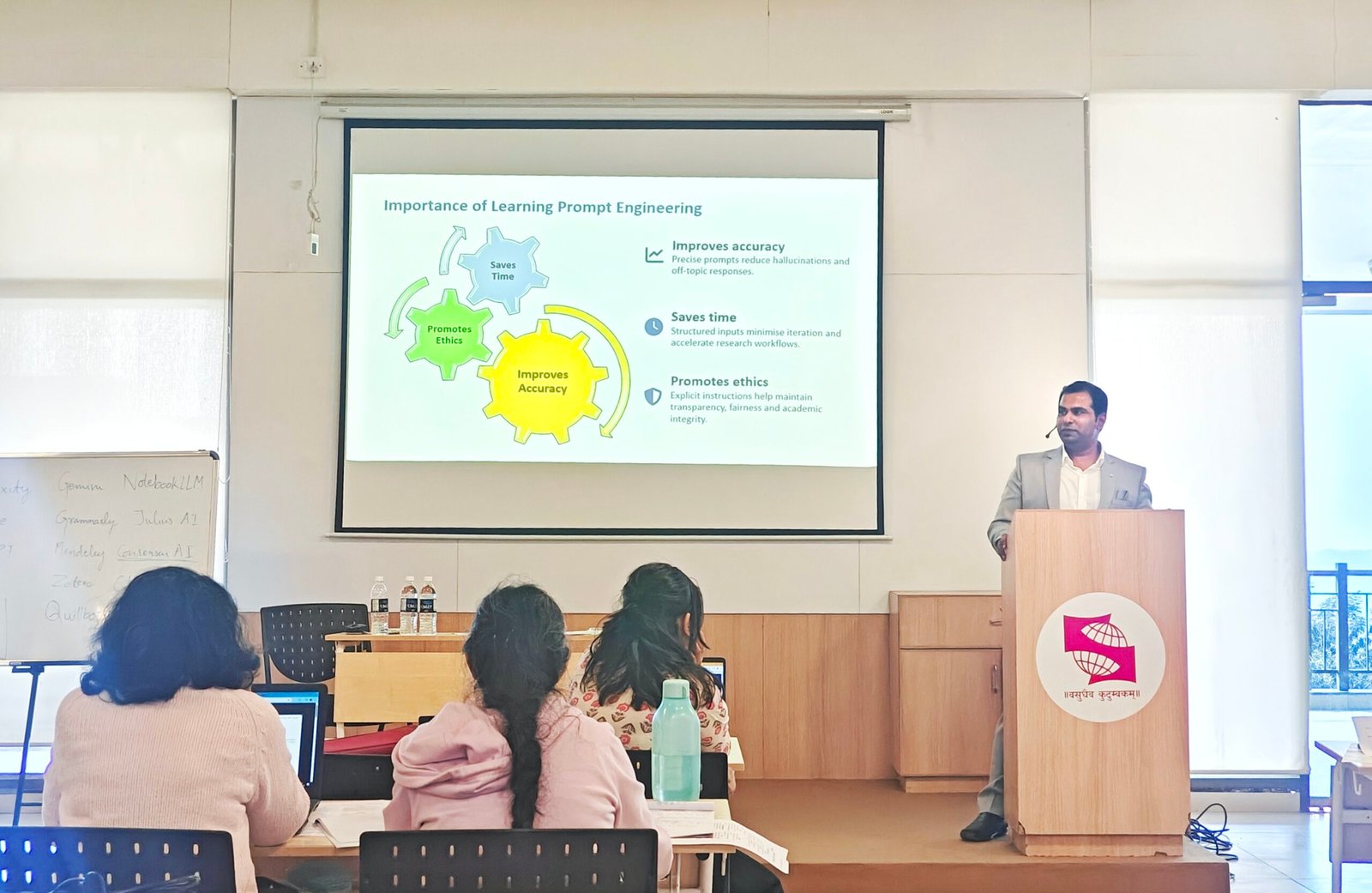
Strategic Dialogue on Prompt Engineering
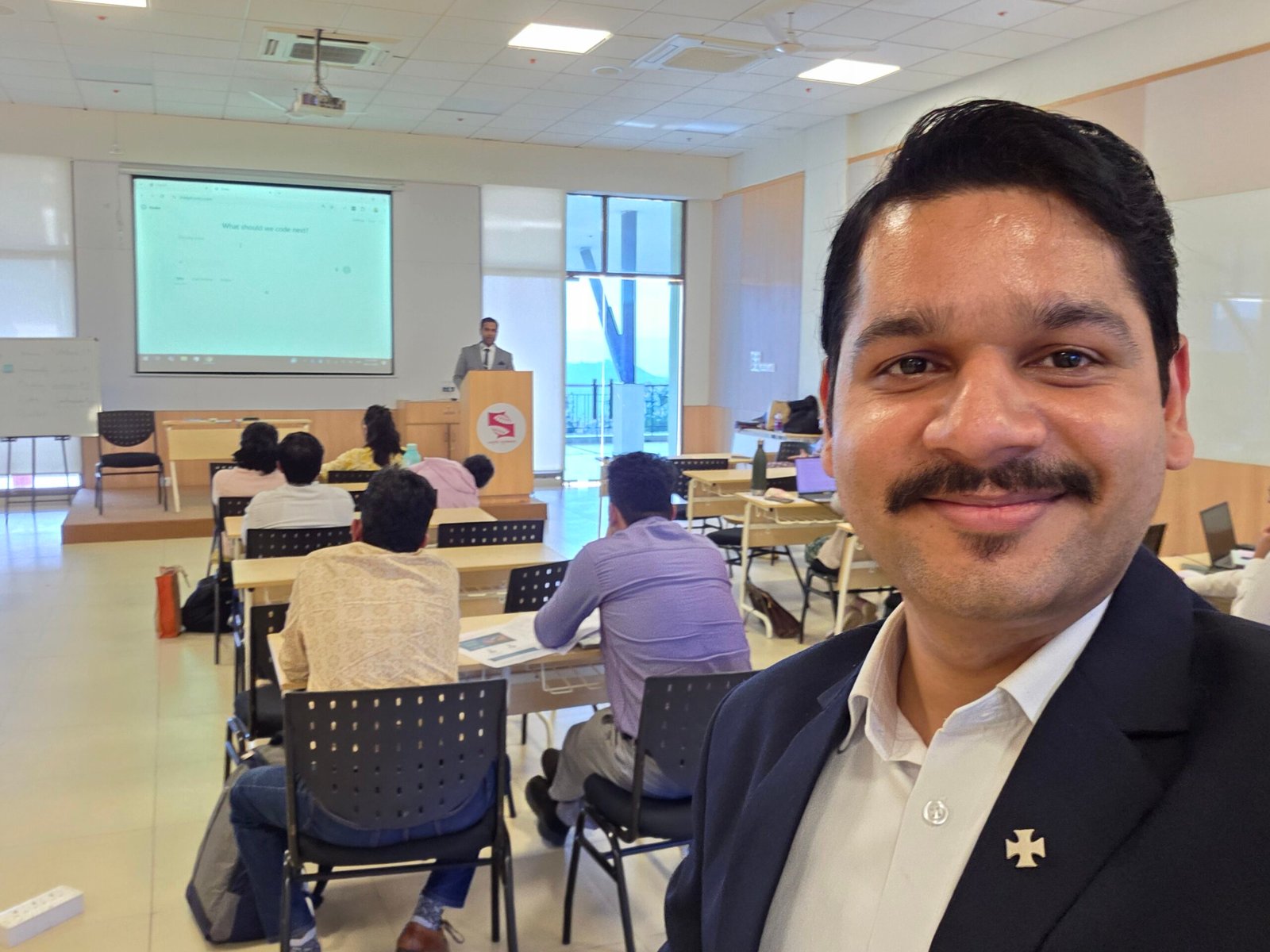
Active Participant Engagement
Validation Ledger from Senior Academia
Verified verification assets and raw participant feedback, captured live during the execution of our "Harnessing AI for Deeper Research" L&D initiatives.
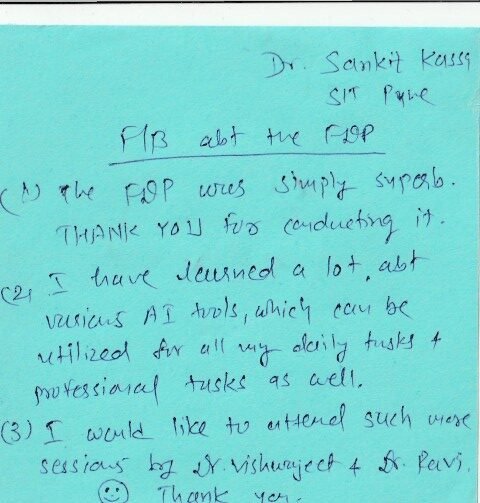
"(1) The FDP was simply superb. THANK YOU for conducting it. (2) I have learned a lot, abt various AI tools, which can be utilized for all my daily tasks & professional tasks as well. (3) I would like to attend such wise sessions by Dr. Vishwajeet & Dr. Ravi. Thank you :)"
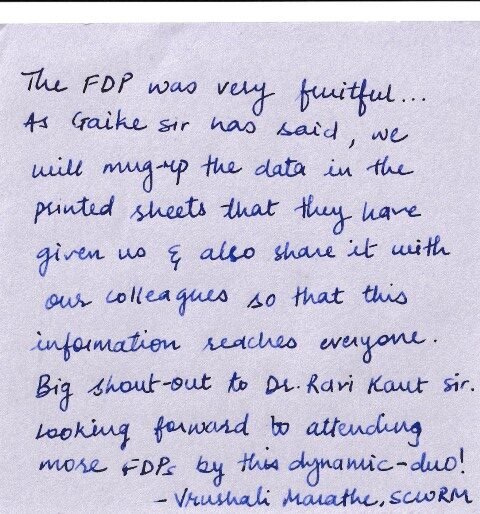
"The FDP was very fruitful... As Gaike sir has said, we will mug-up the data in the printed sheets that they have given us & also share it with our colleagues so that this information reaches everyone. Big shout-out to Dr. Ravi Kant sir. Looking forward to attending more FDPs by this dynamic-duo!"
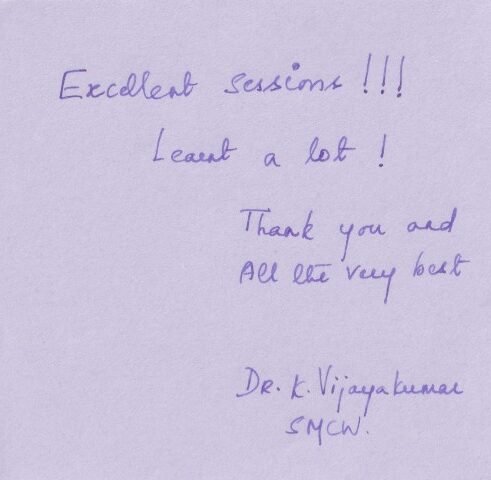
"Excellent sessions !!! Learnt a lot ! Thank you and All the very best"
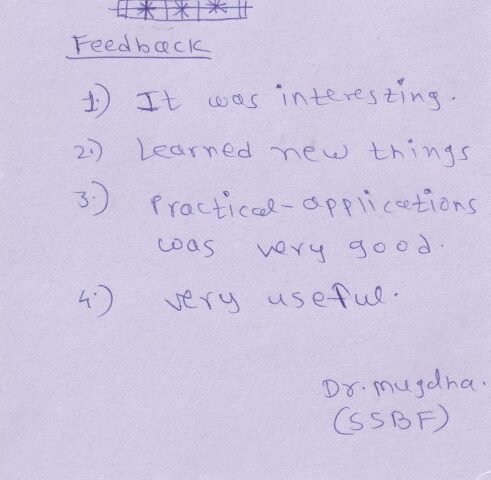
"Feedback 1) It was interesting. 2) Learned new things 3) Practical-applications was very good. 4) very useful."
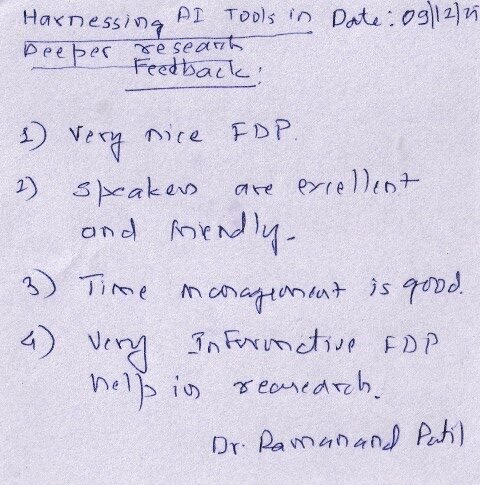
"Harnessing AI Tools in Deeper research Feedback: Date: 09/12/25 1) very nice FDP. 2) speakers are excellent and friendly. 3) Time management is good. 4) Very Informative FDP help in research."
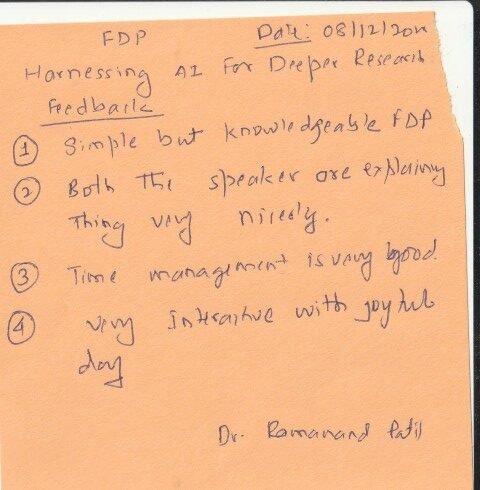
"FDP Date: 08/12/2021 Harnessing AI For Deeper Research Feedback 1) Simple but knowledgeable FDP 2) Both the speaker are explaining thing very nicely. 3) Time management is very good. 4) very interactive with joyful day."
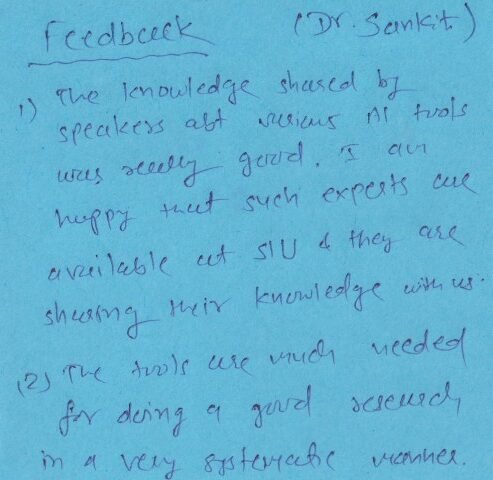
"1) The knowledge shared by speakers abt various AI tools was really good. I am happy that such experts are available at SIU & they are sharing their knowledge with us. 2) The tools are much needed for doing a good research in a very systematic manner."
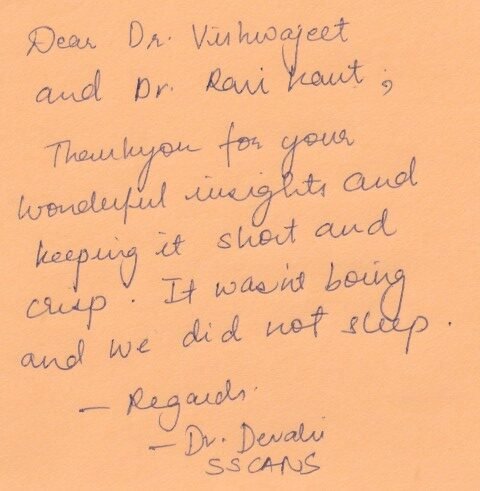
"Dear Dr. Vishwajeet and Dr. Ravi kant, Thankyou for your wonderful insights and keeping it short and crisp. It wasn't boring and we did not sleep. Regards."
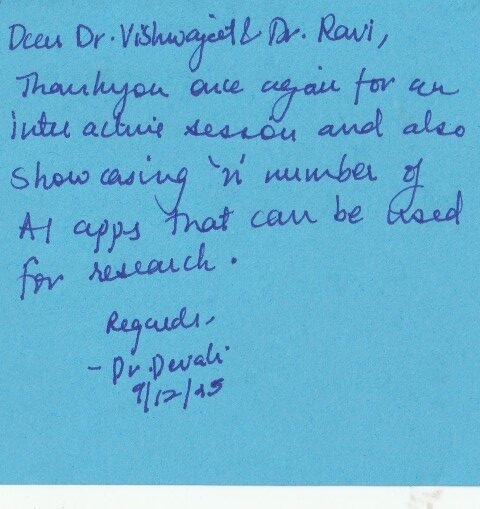
"Dear Dr. Vishwajeet & Dr. Ravi, Thankyou once again for an interactive session and also showcasing 'n' number of AI apps that can be used for research. Regards"
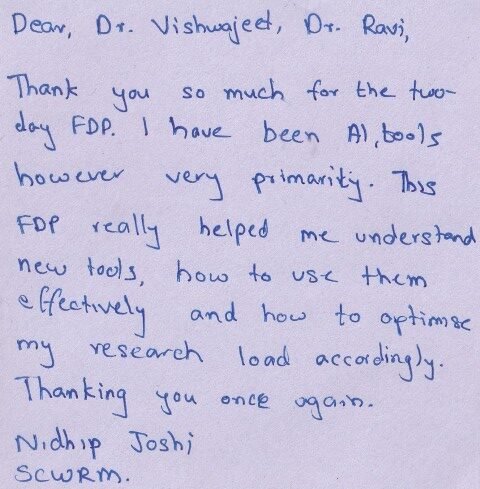
"Dear, Dr. Vishwajeet, Dr. Ravi, Thank you so much for the two-day FDP. I have been [using] AI tools however very primarily. This FDP really helped me understand new tools, how to use them effectively and how to optimise my research load accordingly. Thanking you once again."
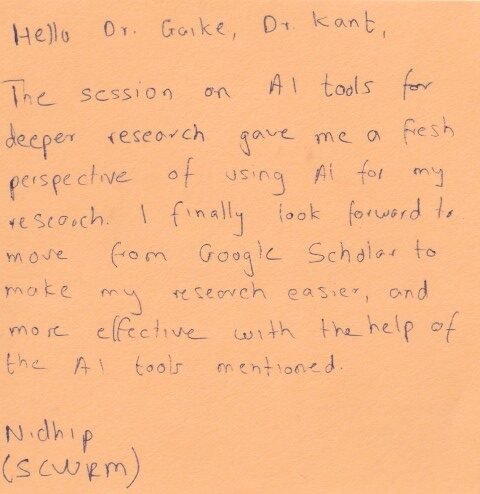
"Hello Dr. Gaike, Dr. Kant, The session on AI tools for deeper research gave me a fresh perspective of using AI for my research. I finally look forward to move from Google Scholar to make my research easier, and more effective with the help of the AI tools mentioned."
"It was an excellent session for the 2 days. Learnt a lot about AI tools. Expecting more FDPs from this 2 resource persons. Dr. Vishwajeet Gaike & Dr. Ravi Kant. Thank's a lot."
"Dr. Vishwajeet and Dr. Ravi has conducted wonderful FDP. The FDP is much needed as we were got added Knowledge about Research tools. It will be helpful if we can get hands on training on Data analysis tools."
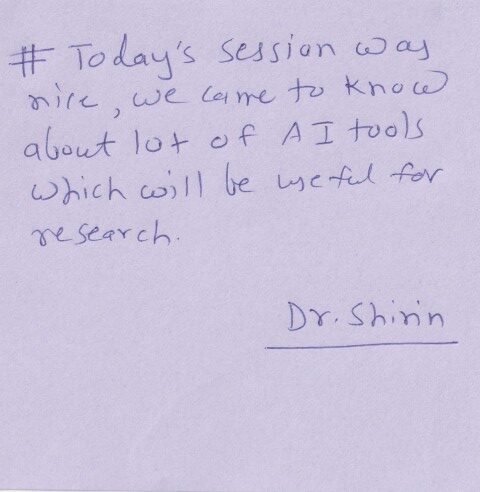
"# Today's session was nice, we came to know about lot of AI tools which will be useful for research."
"Feedback: Today's Session gave a good insight on the data analysis both Qualitative & Quantitative data analysis. If you can do away with Mendeley, Zotero & Grammarly & instead tell us how to use AI wisely for Grant writing without getting detected"
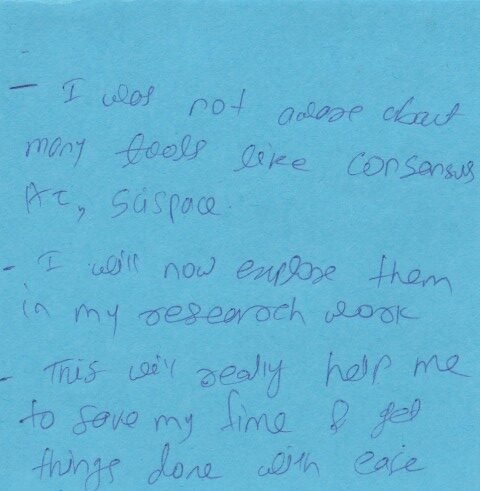
"- I was not aware about many tools like consensus AI, SciSpace - I will now explore them in my research work - This will really help me to save my time & get things done with ease"
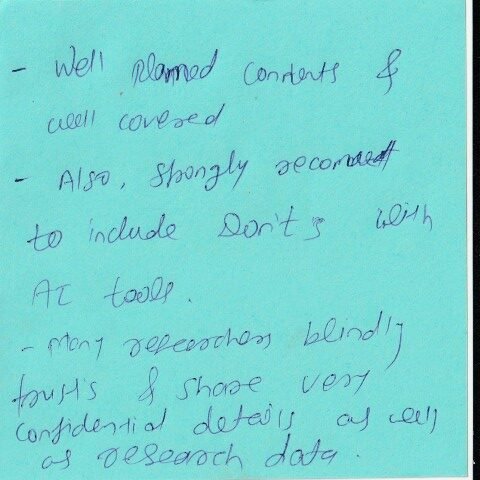
"- Well planned contents & well covered - Also, strongly recomded to include Don'ts with AI tools. - Many researchers blindly trust's & share very confidential details as well as research data."
"The 2-day workshop was good. This workshop introduced various AI tools available and how we can use them for research. We need a tool which can reduce the burden of NAAC / NBA work."
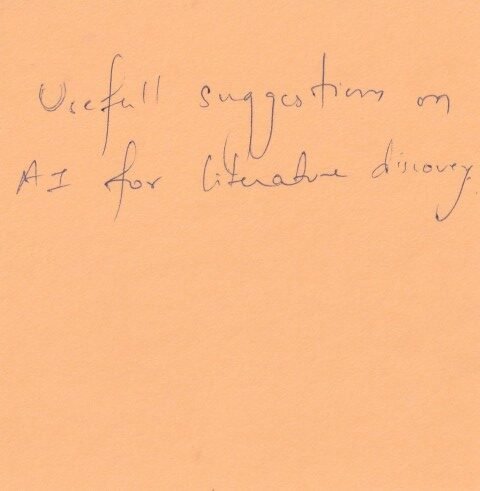
"Usefull suggestion on AI for literature discovery."
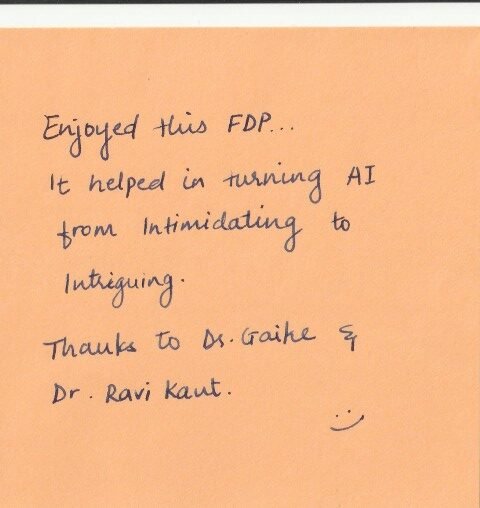
"Enjoyed this FDP... It helped in turning AI from Intimidating to Intriguing. Thanks to Dr. Gaike & Dr. Ravi Kant. :)"
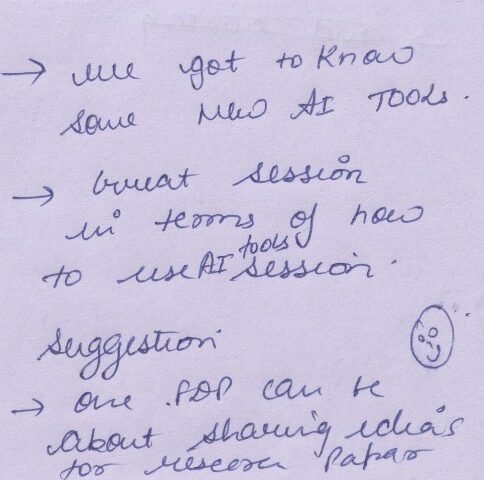
"→ we got to know some NEW AI TOOLS. → Great session in terms of how to use AI session. Suggestion → one FDP can be about sharing ideas for research paper :)"
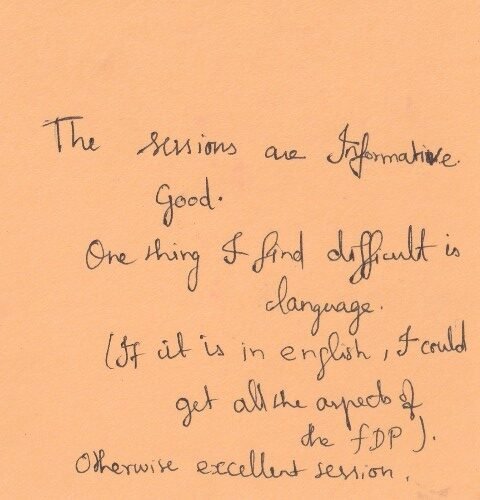
"The sessions are Informative. Good. One thing I find difficult is language. (If it is in english, I could get all the aspects of the FDP). Otherwise excellent session."
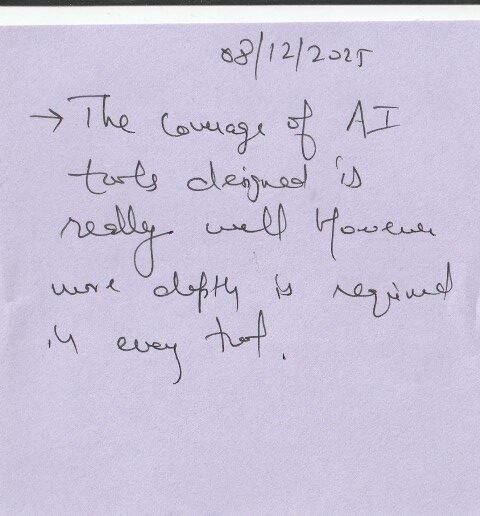
"08/12/2025 → The coverage of AI tools designed is really well However more depth is required in every tool."
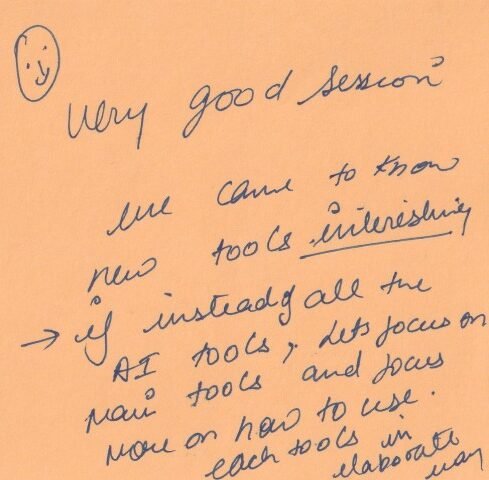
"Very good session. Came to know tools. Interesting → Instead of all the new AI tools, lets focus on few tools and focus more on how to use each tools in elaborate way"
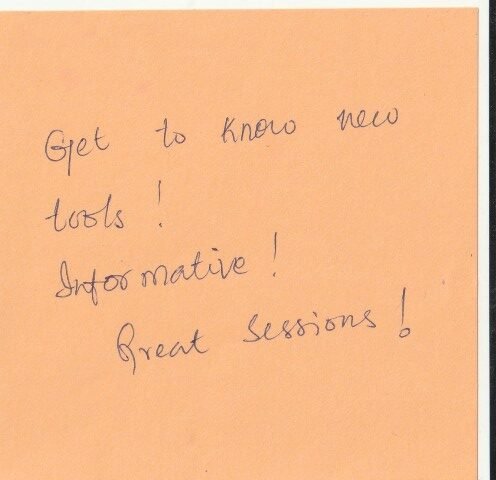
"Get to know new tools! Informative! Great sessions!"
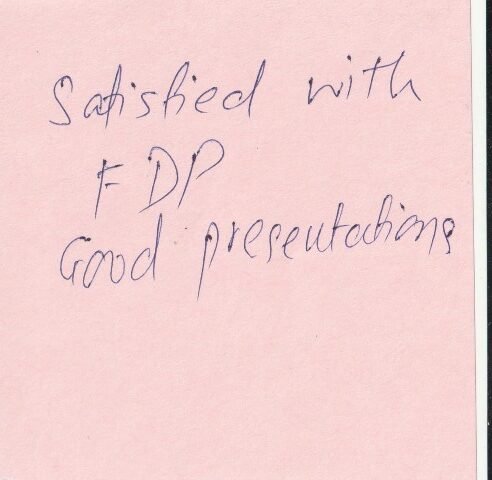
"Satisfied with FDP Good presentations"
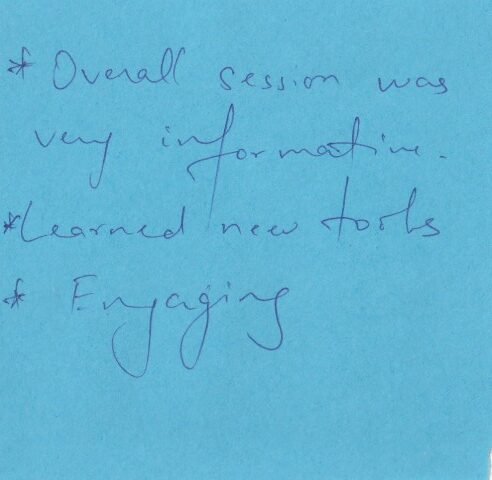
"* Overall session was very informative. * Learned new tools * Engaging"
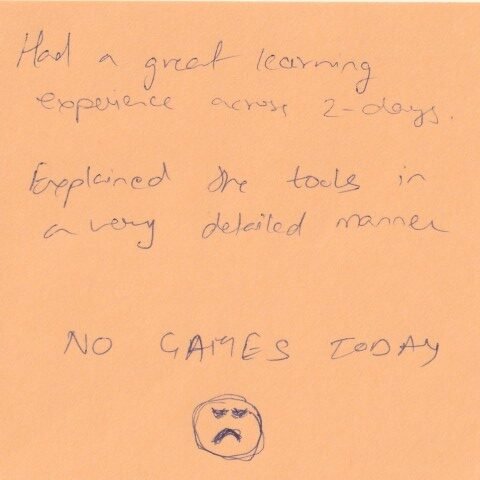
"Had a great learning experience across 2-days. Explained the tools in a very detailed manner. NO GAMES TODAY :("
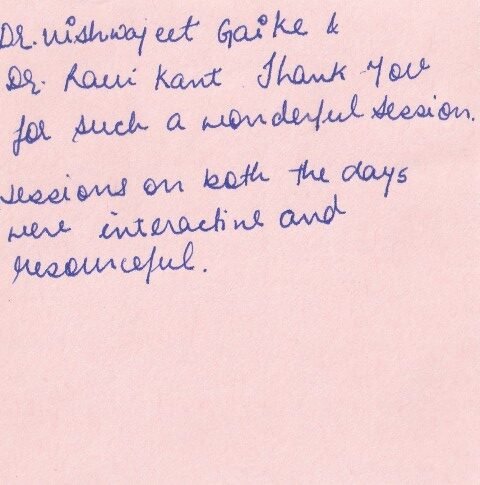
"Dr. vishwajeet Gaike & Dr. Ravi Kant Thank you for such a wonderful session. sessions on both the days were interactive and resourceful."
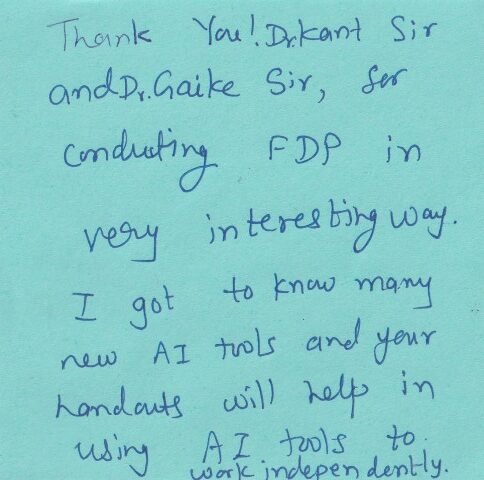
"Thank You! Dr.Kant Sir and Dr. Gaike Sir, for conducting FDP in very interesting way. I got to know many new AI tools and your handouts will help in using AI tools to work independently."
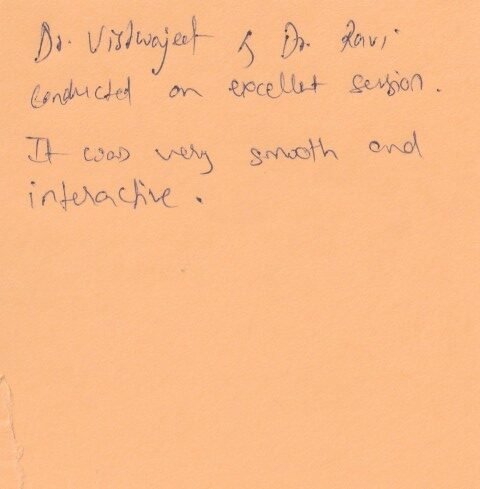
"Dr. Vishwajeet & Dr. Ravi Conducted an excellent session. It was very smooth and interactive."
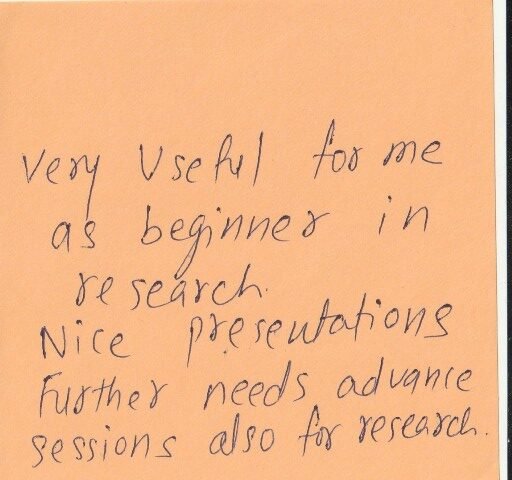
"Very Useful for me as beginner in research. Nice presentations Further needs advance sessions also for research."
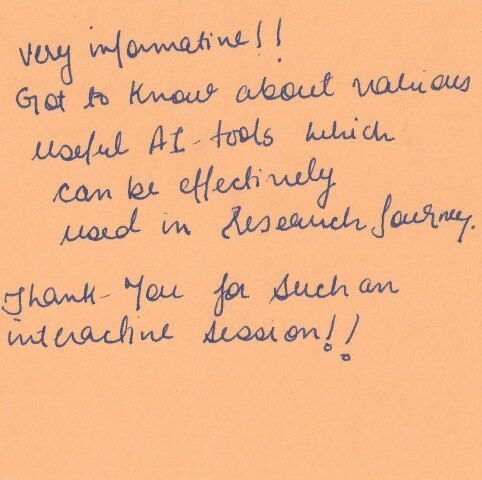
"Very informative!! Got to know about various useful AI-tools which can be effectively used in Research Journey. Thank You for such an interactive session!!"
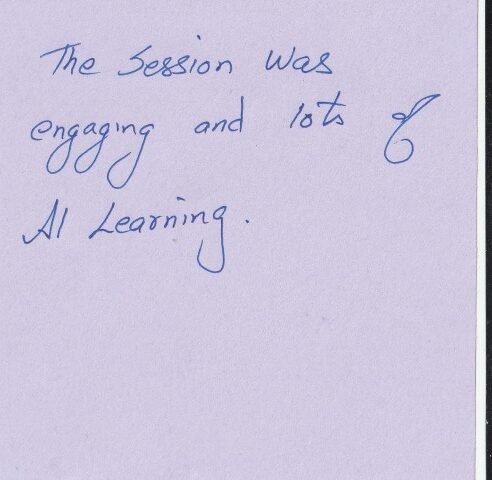
"The Session Was engaging and lots of AI learning."
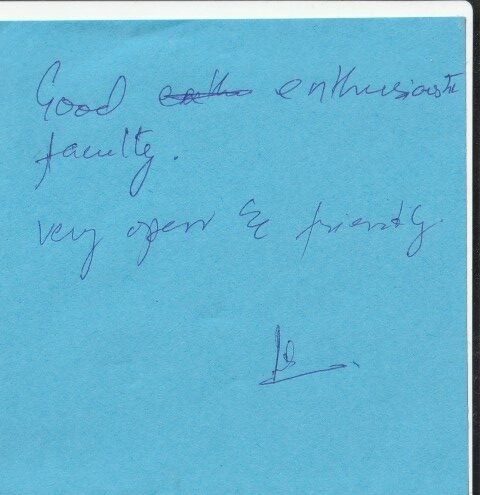
"Good enthusiastic faculty. very open & friendly."
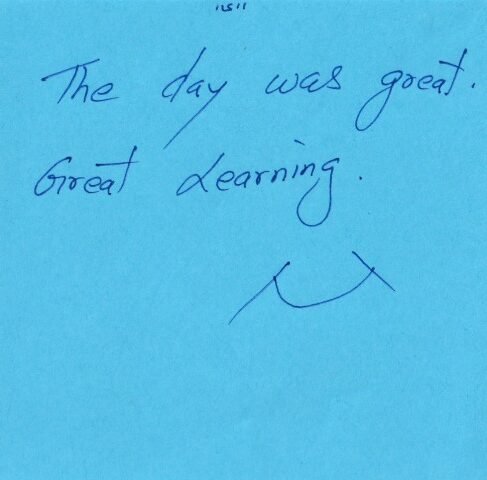
"The day was great. Great learning. :)"