
Architecting the Trust-Driven Researcher | FDP by Dr. Vishwajeet V. Gaike
A Regulatory Milestone for Research Integrity

Ethical AI strategies for
Research Excellence

Faculty Development Programme

A data-driven, strategic framework for ethical citation, live metric auditing, and publication-ready research workflows, specifically designed for university faculty, research deans, and doctoral supervisors.

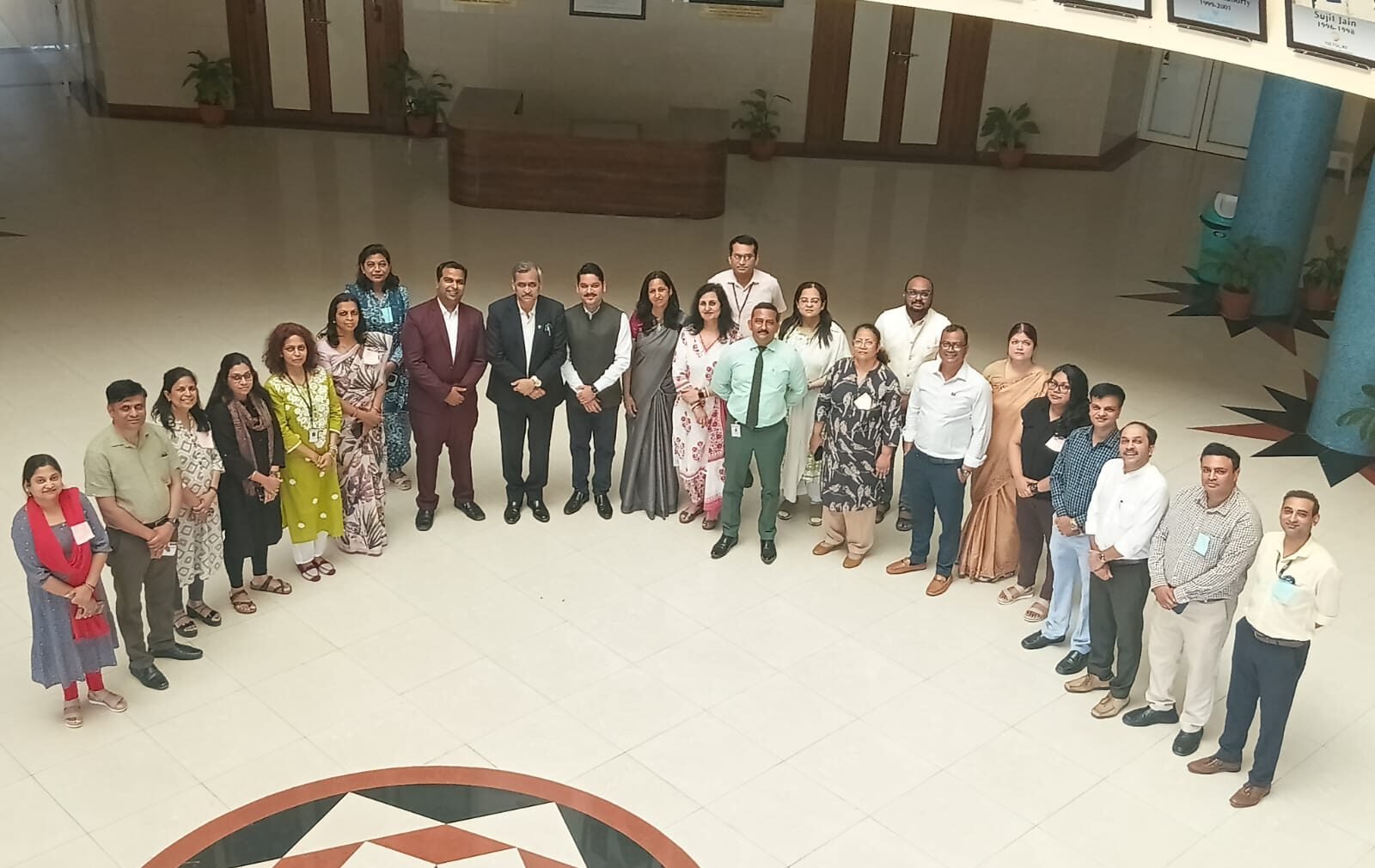
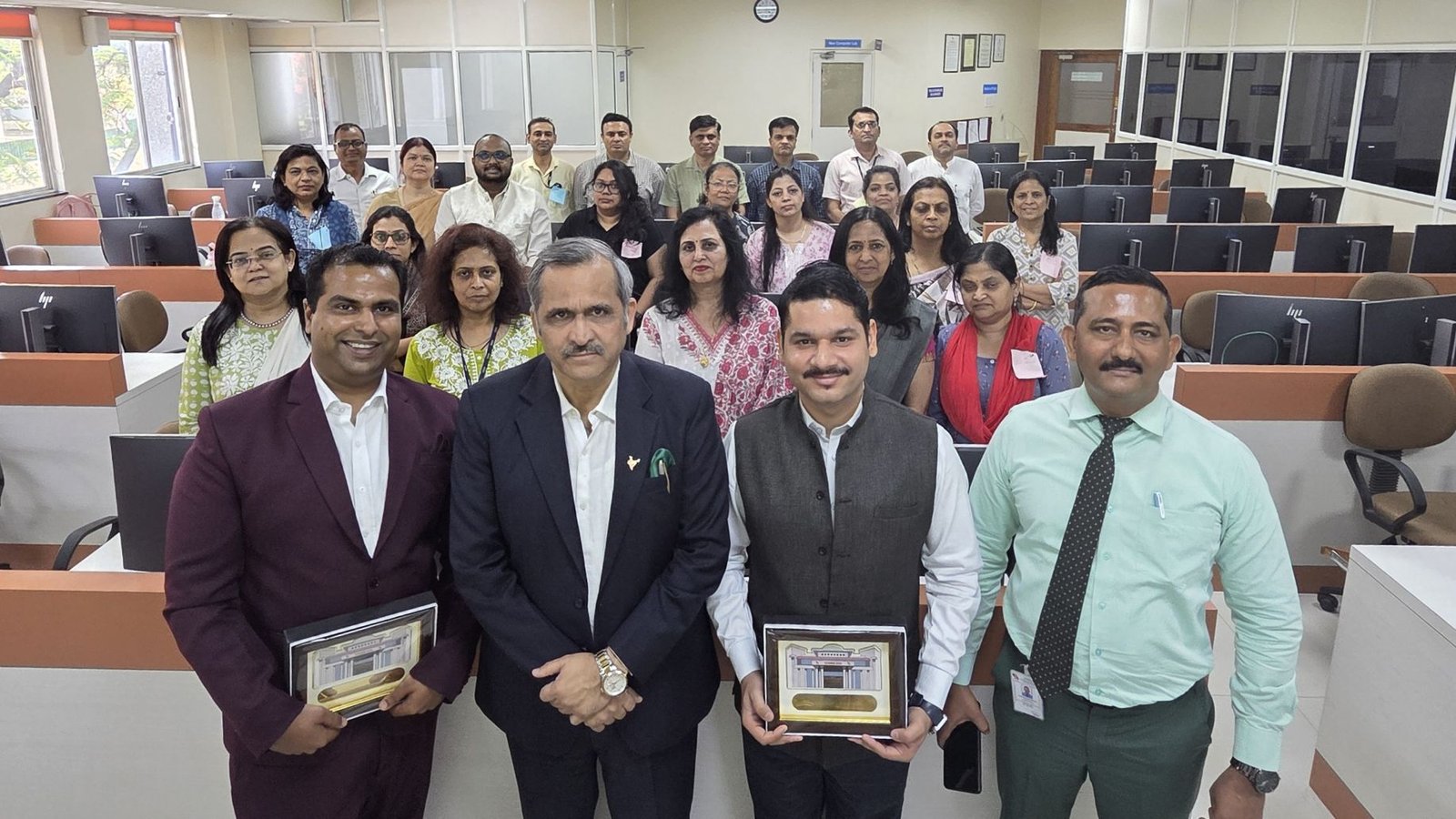
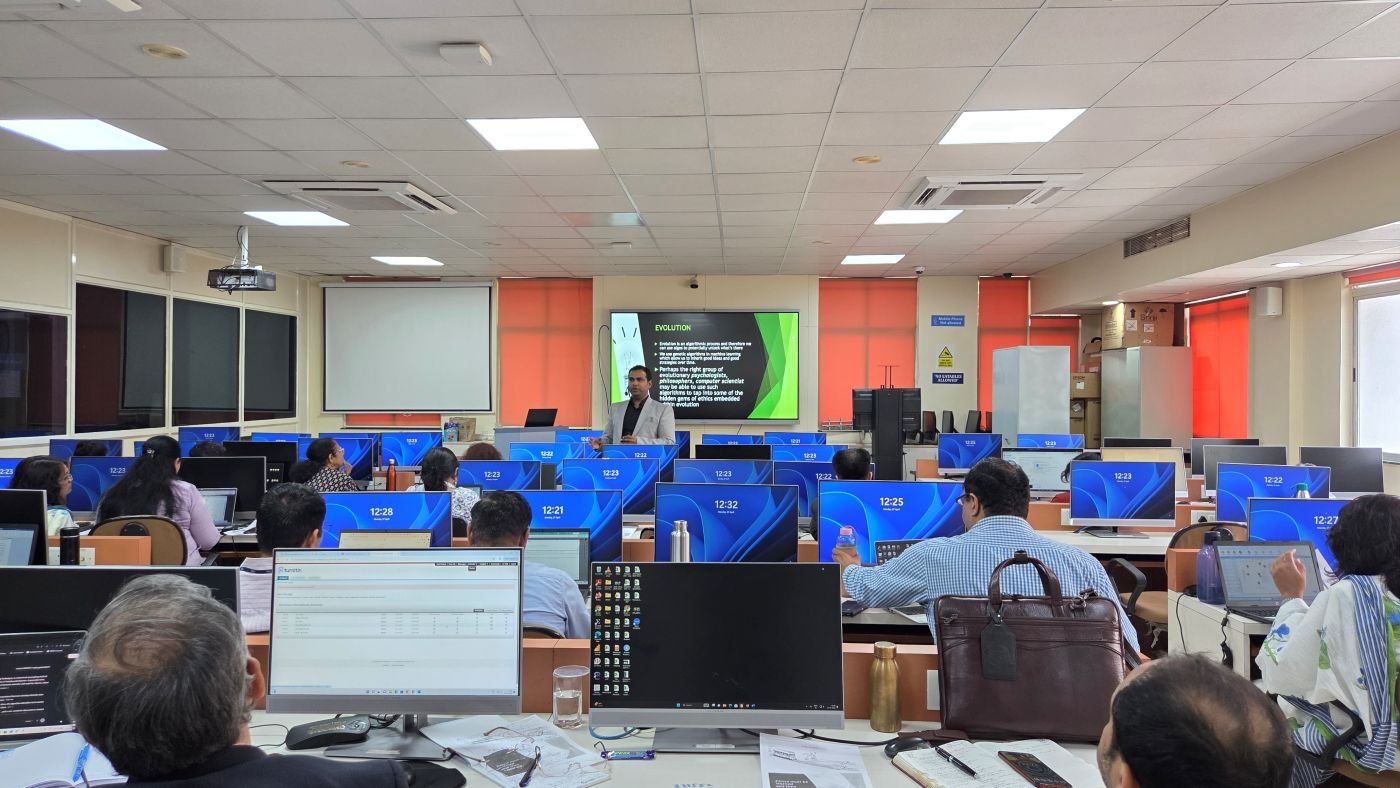
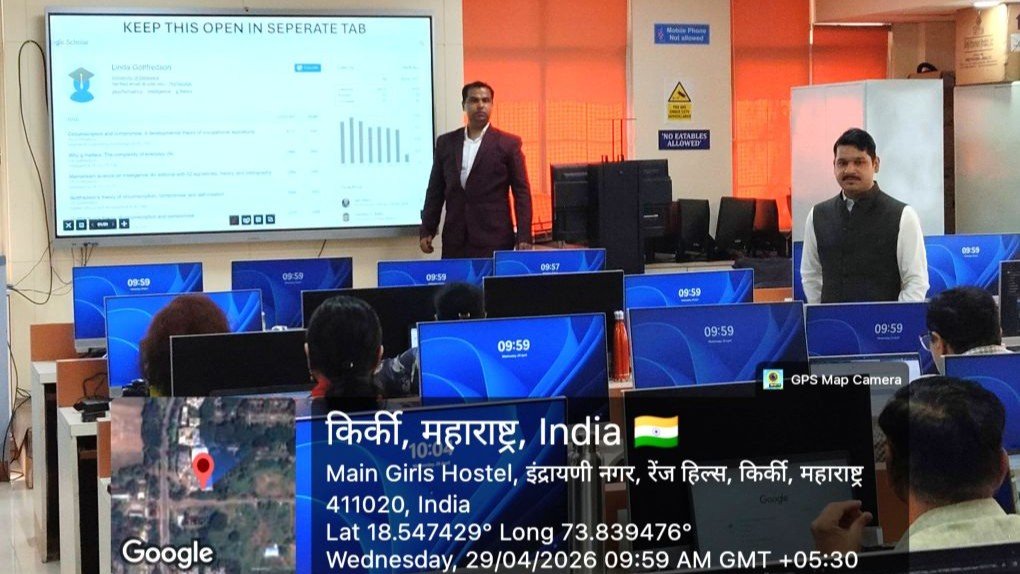
Dr. Vishwajeet Gaike facilitating the Faculty Development Programme on Ethical AI and Research Integrity
Ethical AI
Rise with AI accountability

Curriculum Architecture

A structured, 3-stage blueprint for institutional transition.

Module 1

Defining the Integrity Divide

Algorithmic Innovation vs. Academic Fraud

High-impact publishing requires distinguishing clearly between mathematical data augmentation (such as using SMOTE or GAN-driven expansion for sparse clinical/engineering datasets) and algorithmic hallucination. Faculty learn to flag, detect, and isolate phantom citations, fabricated bibliographies, and artificially generated metrics before manuscripts enter the peer-review cycle.

Module 2

Gen AI Workflow Documentation

The "Paper Trail" for Generative Contributions

Mastering standardized generative AI usage documentation is no longer optional. This module equips researchers with the exact systems needed to transparently disclose specific model iterations, prompt scopes, temperature settings, and validation protocols, satisfying the strictest global publishing mandates and ethical policies.

Module 3

Reference Ecosystems & Auditing

Active Profile Clean-Up & Management

Real-time auditing of institutional h-index and i10-index profiles across Google Scholar, Scopus, and Web of Science. Participants gain hands-on training in managing shared, multi-author reference environments (via Zotero and Mendeley) while ensuring metadata integrity and neutralizing predatory citation practices.

Academic Integrity & AI Architecture

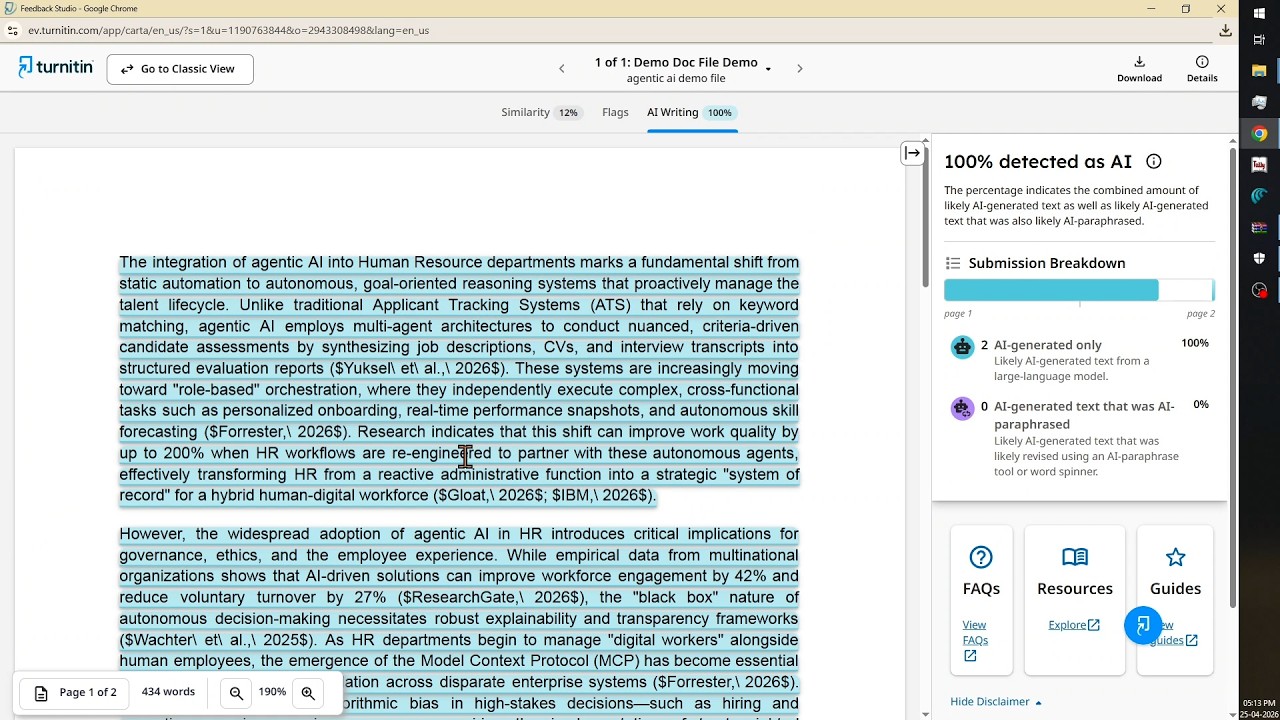
Turnitin AI detection analysis thumbnail framework

Can Turnitin Detect Gemini? The Truth About AI in Research

Facilitated by Dr. Vishwajeet V. Gaike | Duration: 5 mins of targeted scenario tracking

In modern academic environments, typical plagiarism checkers fail to trace the nuances of synthetic text generation. This case analysis uncovers the direct operational workflow of Turnitin's structural classifiers when scanning raw, non-audited language model outputs.

Analyze the full AI data audit process on YouTube

Case Discussed during the sessions

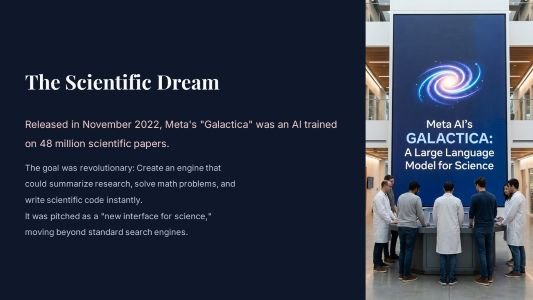
Meta Galactica Academic AI Case Study Analysis Screenshot
Technical Hallucination vs. Scientific Truth

The Meta Galactica Takedown

Meta's Galactica language model was specifically trained on scientific papers to accelerate research. However, because it prioritized authoritative-sounding prose over raw empirical truth, it generated massive volumes of fake historical dates, phantom math equations, and non-existent citations. The model was pulled down in under 72 hours, serving as a landmark warning: syntactic fluency is never a substitute for rigorous verification.

MIT Aidan Toner-Rodgers Research Integrity Investigation Case Study Screenshot
The Danger of "Optimized" Synthetics

The MIT Research Scandal

Highlighting the severe investigation surrounding former MIT researcher Aidan Toner-Rodgers. The immense academic pressure to generate exciting, groundbreaking conclusions led to massive, irreconcilable discrepancies between raw empirical data and generative-assisted findings. This case resulted in immediate paper retraction and internal administrative action, proving that unchecked AI optimizations can collapse even the most prestigious careers.

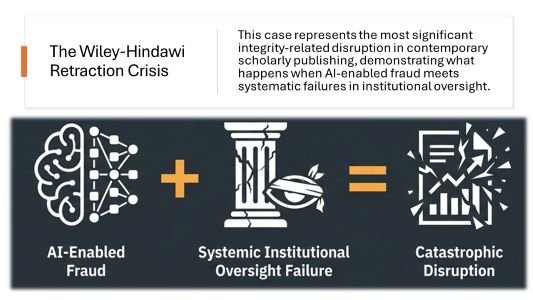
Wiley Hindawi Retraction Crisis and Systemic Collapse Case Study Screenshot
Scaled Institutional Damage & Over-Reliance

The Wiley-Hindawi Systemic Collapse

A catastrophic $40 Million retraction crisis that forced the permanent shuttering of the Hindawi brand. The collapse was accelerated by coordinated paper-mills leveraging generative AI to exploit peer-review bottlenecks. This case study demonstrates how localized failures in doctoral supervisor oversight can scale into structural institutional disaster and massive global academic disgrace.

Institutional Resources

The Research Integrity & Compliance Toolkit

Empowering researchers and institutions with practical, compliant validation workflows and standardized verification frameworks.

Policy & Governance

FDP Handout Day 1:
Global Publication Ethics

A deep dive analysis on human creative authorship rules across COPE, WIPO, and IEEE core policies, alongside a practical guide to Elsevier's book and commissioned content AI usage regulations.

DOWNLOAD DAY 1 HANDOUT (PDF)
Practical Toolkit

FDP Handout Day 2:
AI Disclosure Architecture

Equipped with the complete structural AI Verification Checklist for faculty across all writing phases and the Standardized 4-Part Formula featuring deployment-ready manuscript templates.

DOWNLOAD DAY 2 HANDOUT (PDF)
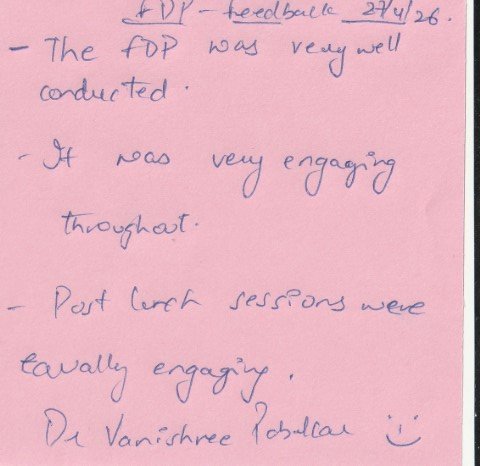
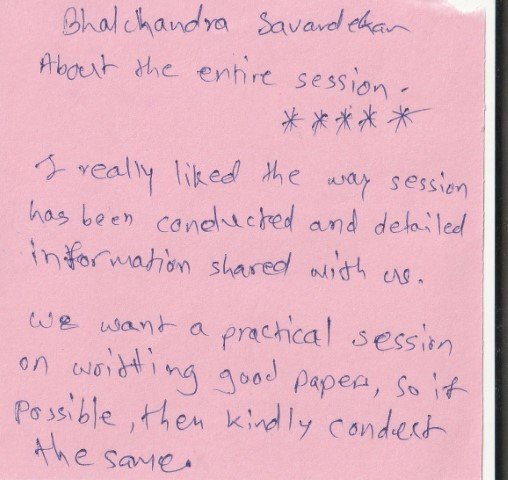
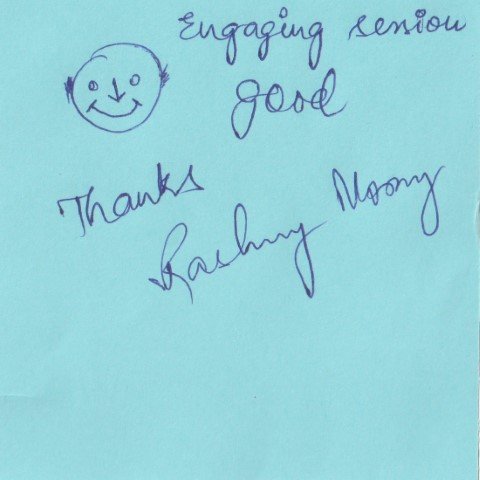
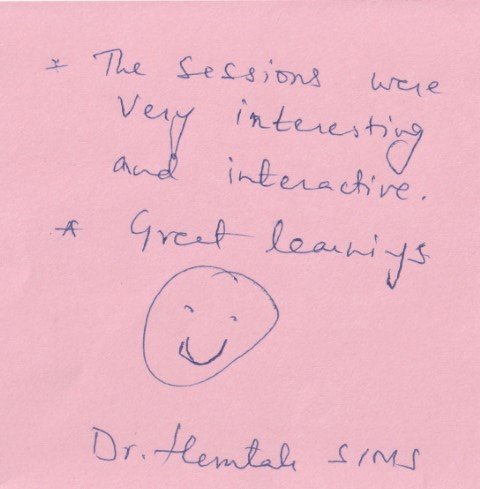
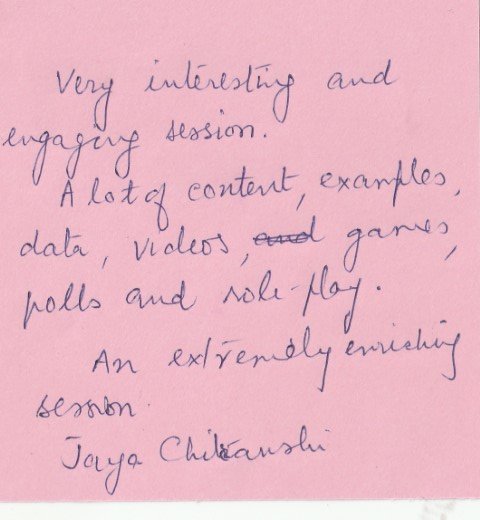
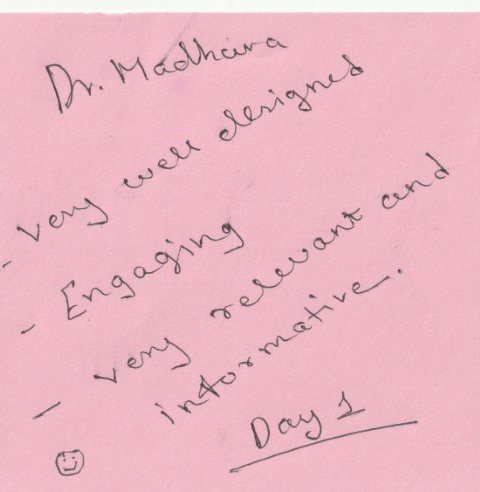
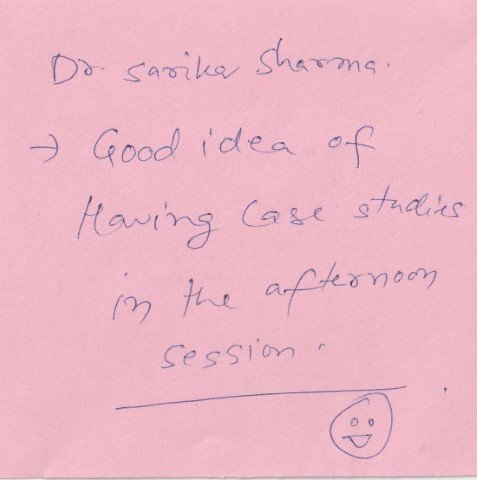
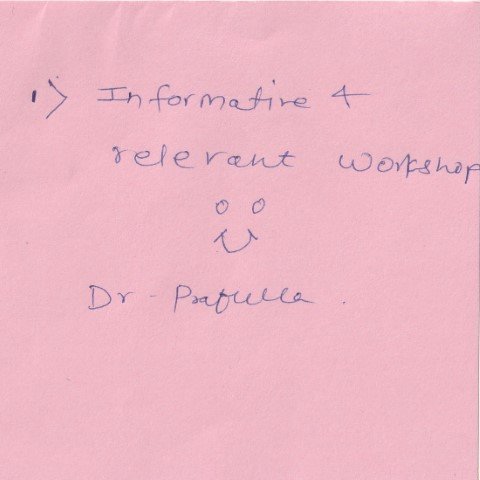
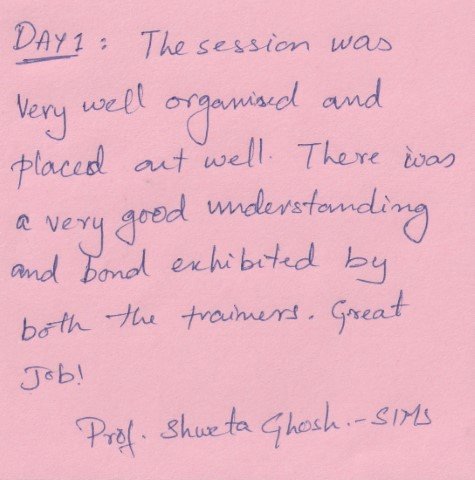
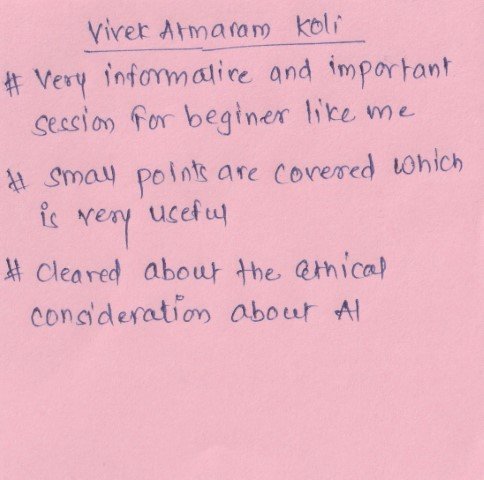
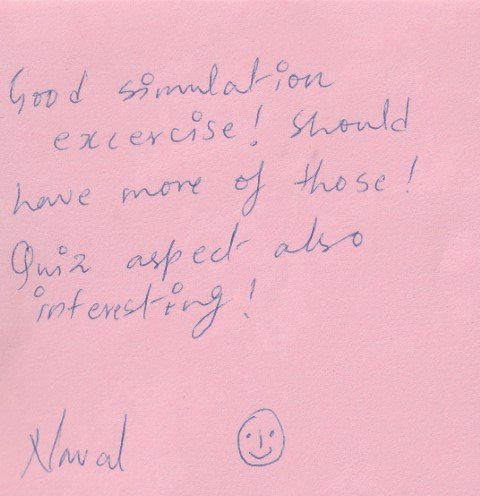
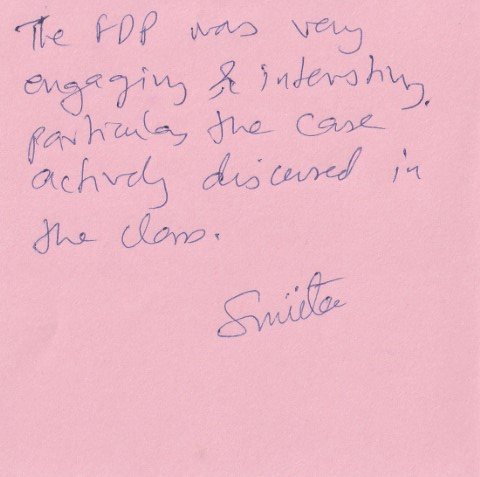
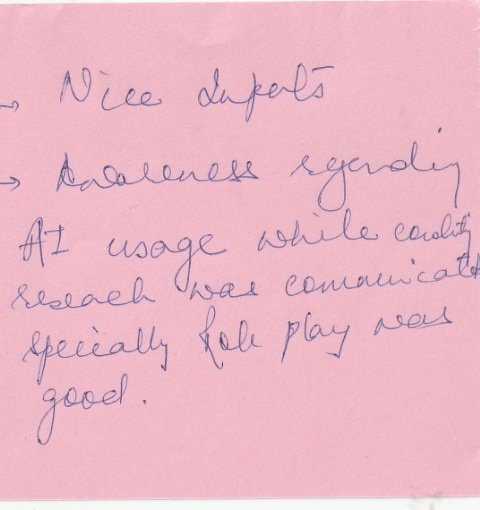
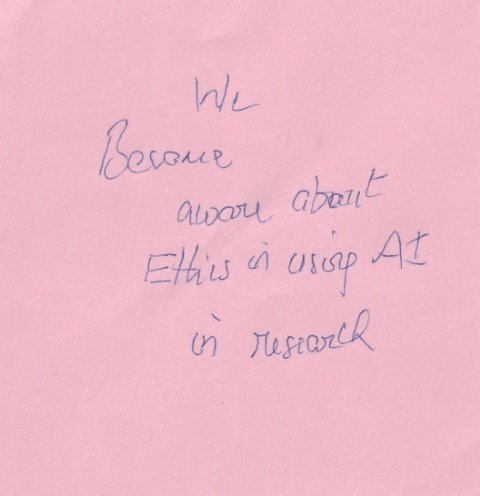
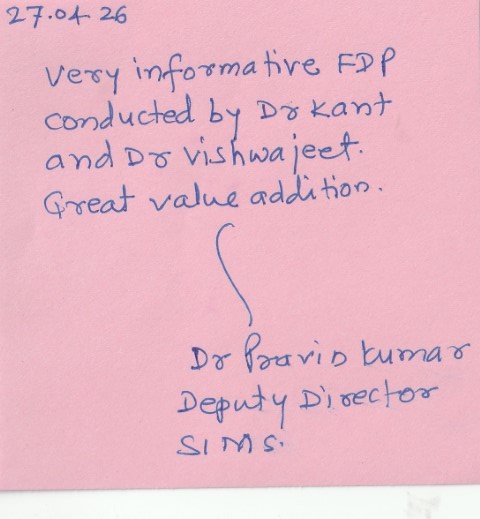
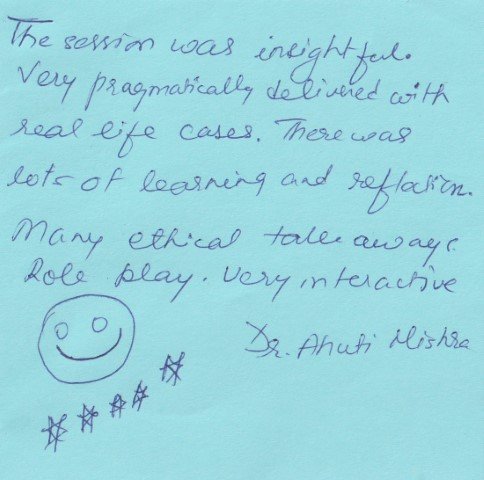
FDP Evaluation Index

Validation Ledger from Senior Academia

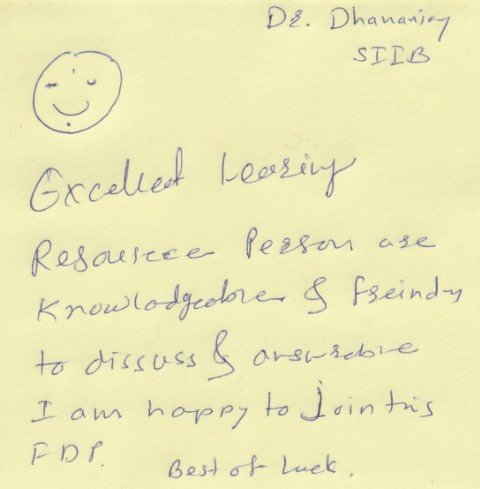
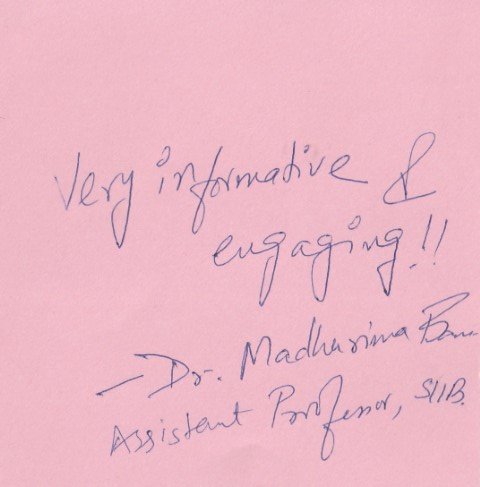
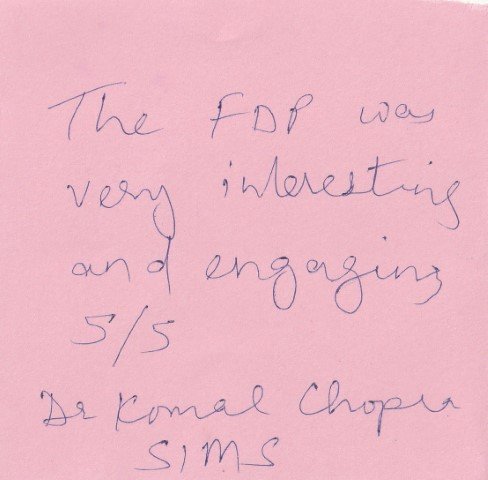
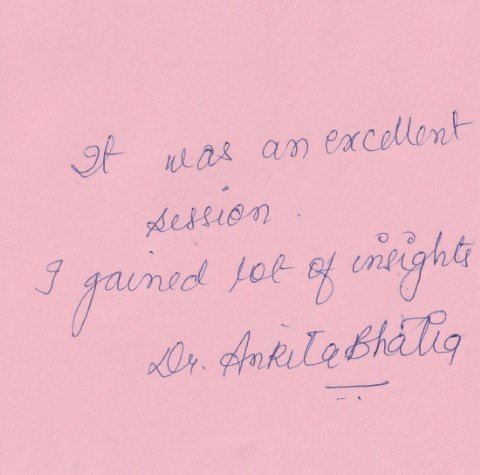
Verified verification assets from workshop evaluations, captured live during the execution of our research ethics and compliance initiatives.

FAQ

Banning AI tools in academic environments is statistically impossible to enforce and structurally counterproductive. AI is an incredibly powerful research catalyst when used ethically (e.g., for statistical modeling, editing, or literature sorting). By shifting our focus from absolute prohibition to strict AI Auditing, we empower faculty to verify the logical pathways, data structures, and prompt frameworks of their researchers—preserving academic freedom while guaranteeing absolute intellectual honesty.

Spotting generative anomalies requires a highly systematic data-provenance audit. First, we cross-examine the dataset's standard deviation and distribution patterns; synthetic datasets generated via shallow LLMs or rudimentary heuristics often exhibit unrealistically smooth curves lacking organic noise. Second, we run random, deep metadata checks on reference citations to search for non-existent DOIs. This FDP equips supervisors with the exact mathematical and technical checks needed to identify these digital fingerprints.

  • Mandate Prompt Logs: Students must submit their primary generative prompt histories alongside their chapter drafts.
  • Verify Raw Baselines: Never review a synthetic or processed dataset without verifying the timestamped, localized raw empirical data first.
  • Run Blind Citation Checks: Randomly pull and read at least 15% of the bibliography's source material to ensure context matches the citation.
  • Define Co-Authorship Limits: Establish a clear threshold for where "computational assistance" stops and intellectual contribution begins.
  • Implement Pre-Submission Defense: Host internal, zero-tolerance peer panels specifically designed to stress-test data provenance prior to official journal submission.

Yes, absolutely. Rather than disrupting your current administrative workflow, Dr. Gaike’s framework is built to slot seamlessly into mainstream Learning Management Systems (LMS) like Moodle, Canvas, or Blackboard. We achieve this by establishing structured submission portals where researchers upload their raw data, prompt transcripts, and ethical-use checklists in parallel with their draft chapters, creating an easily reviewable compliance history.

Institutional rankings like NIRF, QS, and Times Higher Education rely heavily on citation metrics, h-index depth, and overall academic reputation. A single major retraction or plagiarism scandal can permanently damage an institution's peer-perception score and automatically disqualify them from premium research grants. By securing your university's research integrity at the department level, you directly insulate and optimize the metrics that drive these high-stakes global rankings.