Curipod & Canva
Transform static lectures into highly engaging, interactive slide decks. Generate instant polls, word clouds, and infographics directly aligned with your syllabus using AI generative visual tools.
A transformative program designed to elevate academic content creation. Master the tools to engineer resilient curricula, automate assessments, and optimize workflows using Curipod, Gemini, Canva, NotebookLM, and Moodle.
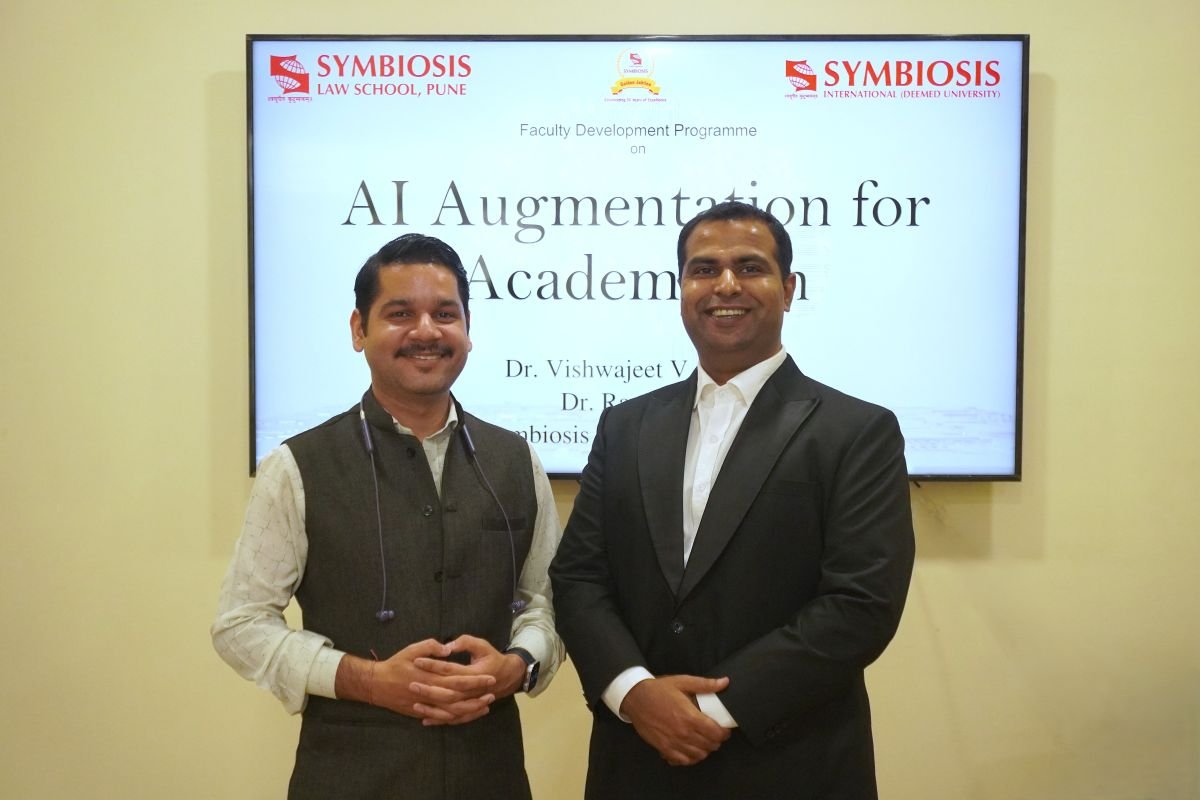
Phase I: May 27-28 | Phase II: June 3-4 (1:00 PM to 4:00 PM IST)
Mapping the academic workflow. Learn to design interactive, AI-driven presentations using Curipod and Google Slides with Gemini for automated outlines. We will utilize NotebookLM to convert complex readings into slide-ready summaries, finishing with Canva AI for data-driven infographics.
Using AI to draft course descriptions and Bloom-aligned outcomes (CO-PO mapping). Generate comprehensive question banks (MCQ, scenario-based) and build AI-proposed rubric criteria directly into Moodle, establishing a robust, automated grading ecosystem.
Administrative augmentation utilizing AI in Google Sheets to summarize class data and build marks dashboards. Master AI-supported syllabus updates using voice typing and implement OCR workflows to digitize handwritten feedback and marking schemes.
Partnering with AI to design diverse evaluation mixes (reflection spots, discussions). Conclude by drafting a personal "AI augmentation charter" outlining transparency, bias awareness, and what tasks remain exclusively human-driven.
Practical digital learning aids and platforms we will master during the FDP to eliminate manual drafting and optimize delivery.
Transform static lectures into highly engaging, interactive slide decks. Generate instant polls, word clouds, and infographics directly aligned with your syllabus using AI generative visual tools.
Accelerate literature review and course prep. Feed heavy case studies into NotebookLM to extract teaching summaries, and use Gemini to structure module outlines and administrative reports instantly.
Move beyond basic LMS usage. Learn to integrate AI-generated question banks and complex grading rubrics directly into Moodle for scalable, standardized student evaluations.
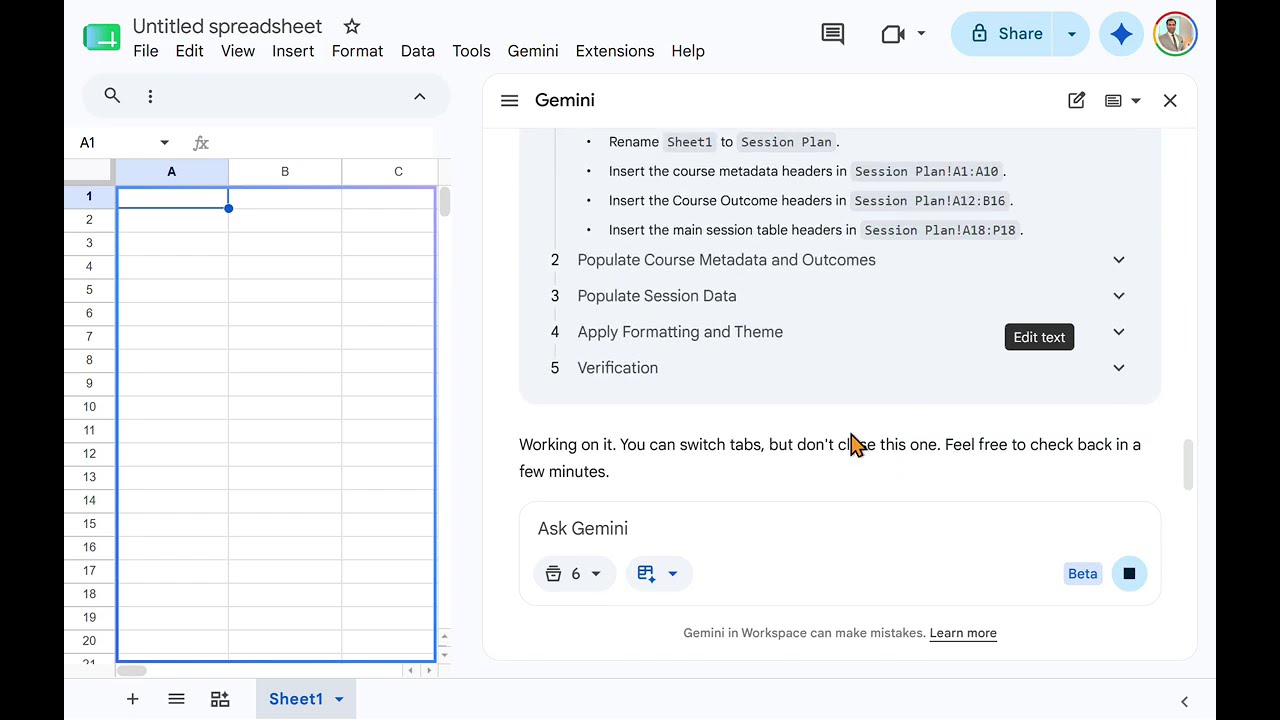
Streamline curriculum architecture using Gemini AI inside Google Workspace to instantly automate complex academic documentation. This demonstration leverages "Organizational Behaviour" course to dynamically generate comprehensive lesson structures, organize session schedules, and systematically map objectives to respective Course Outcomes eliminating manual operational overhead while ensuring absolute alignment with modern edtech compliance workflows.
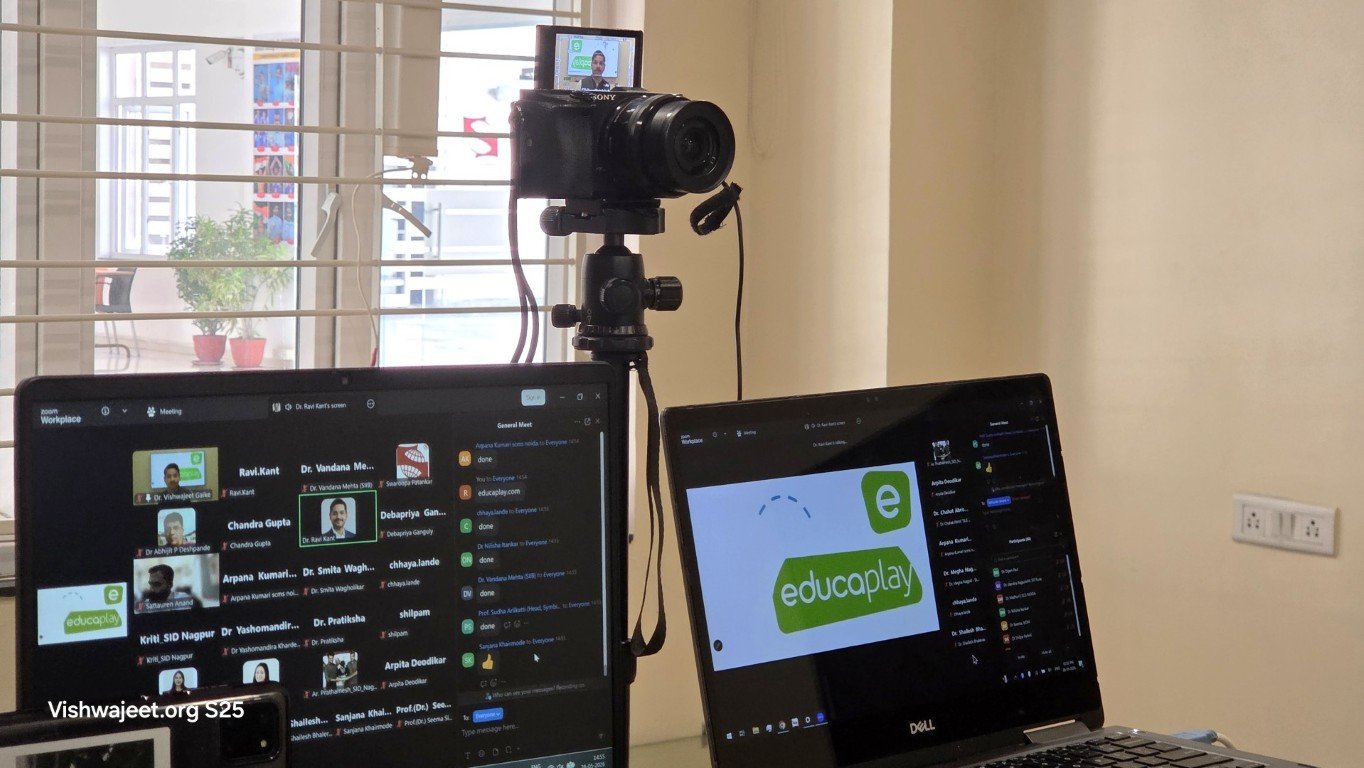
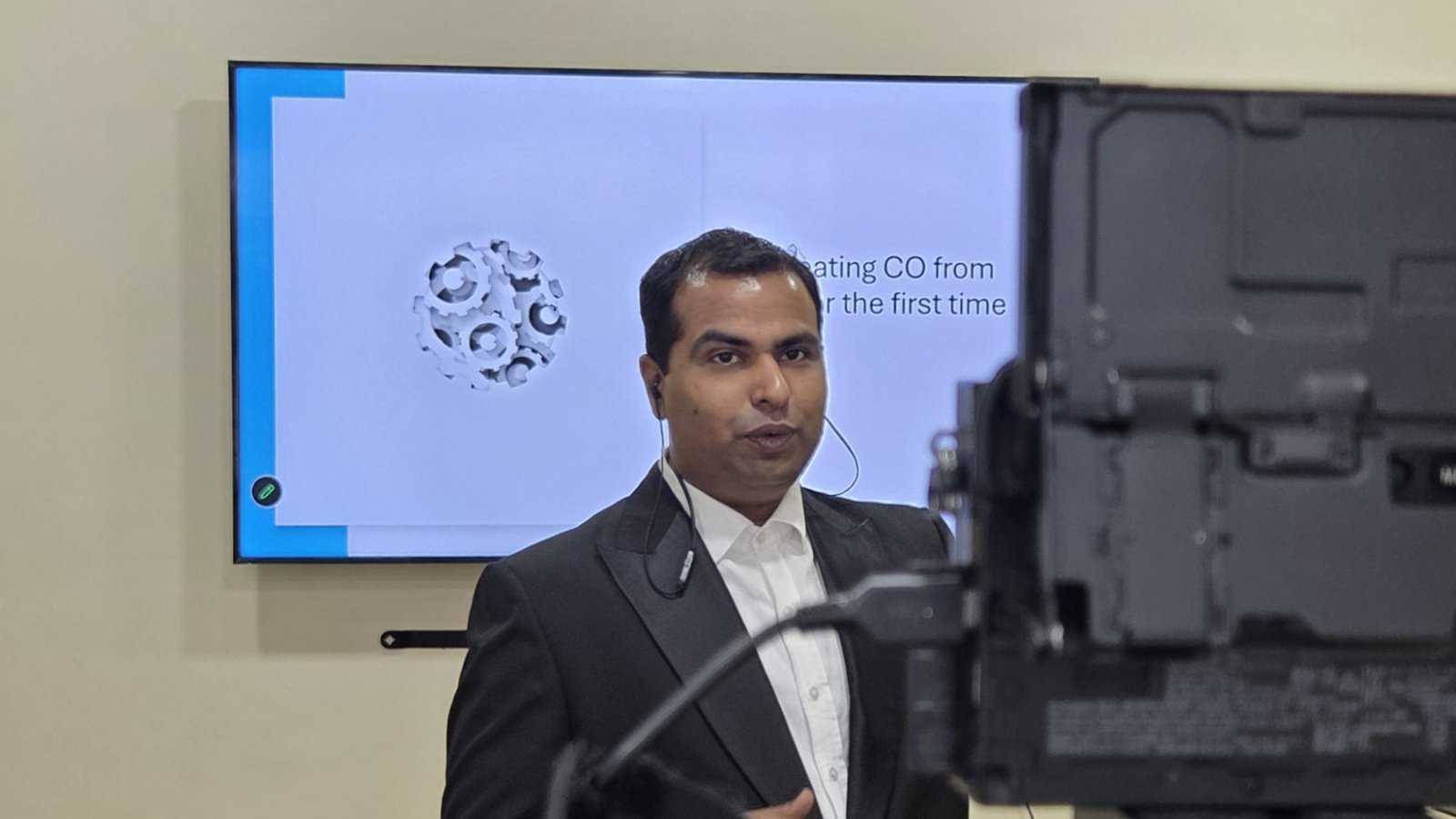
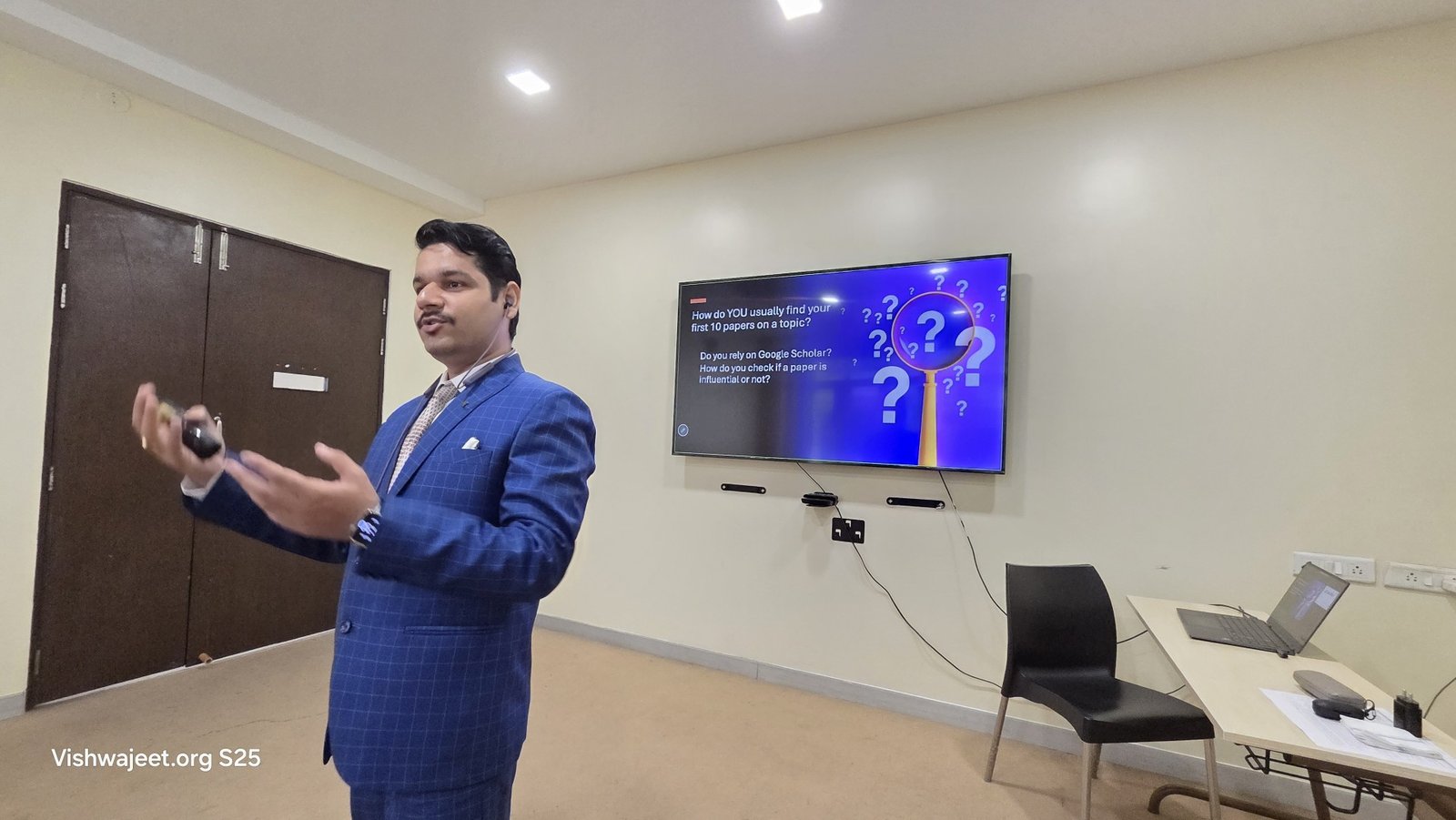
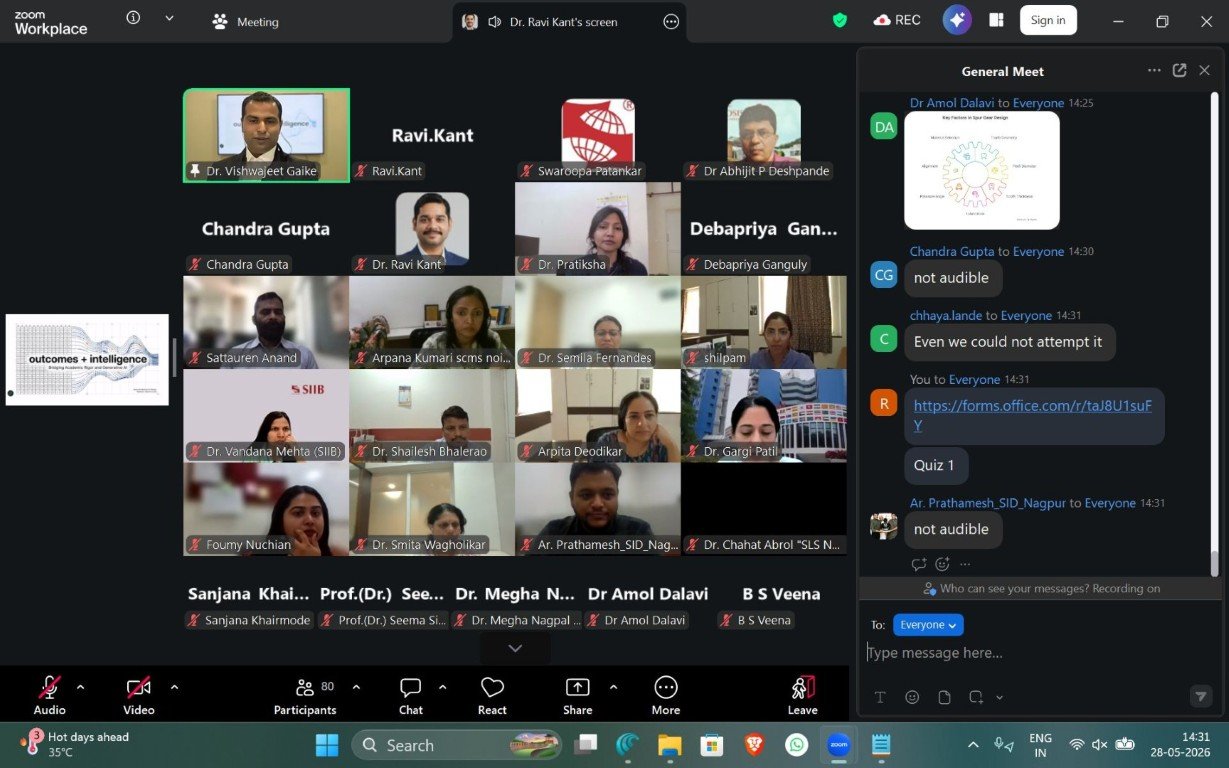
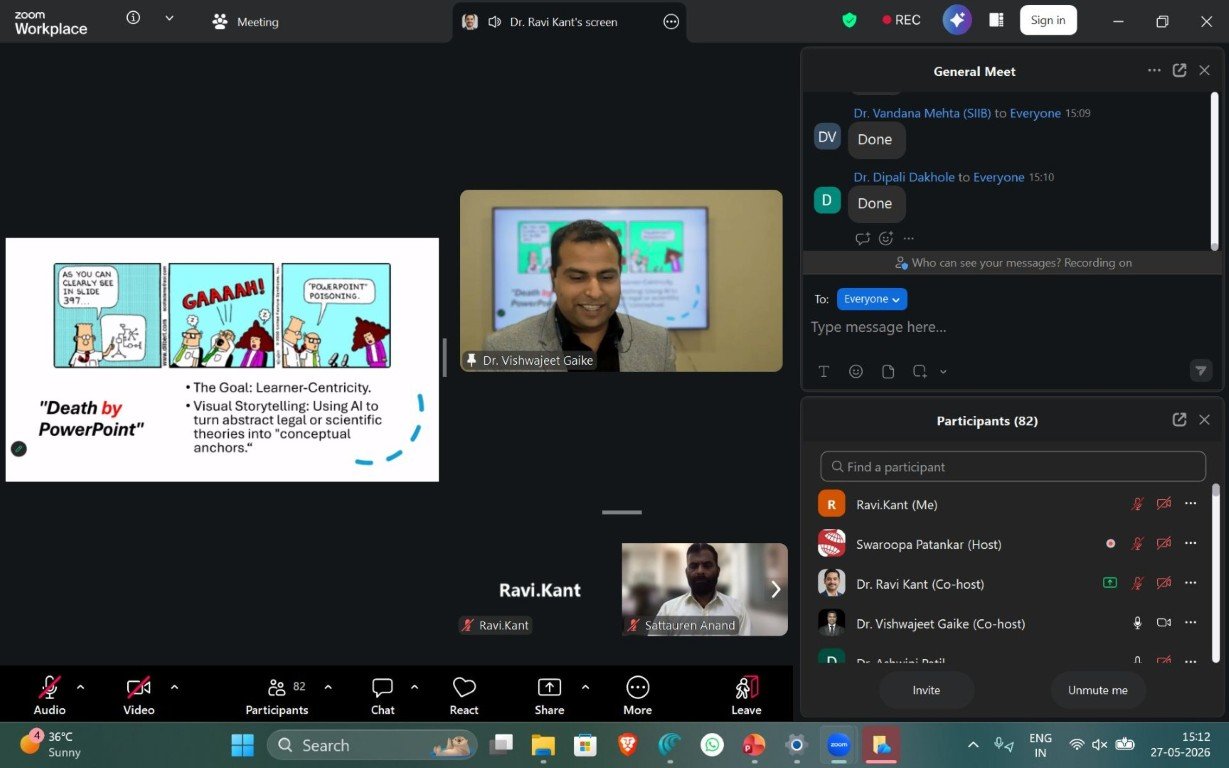
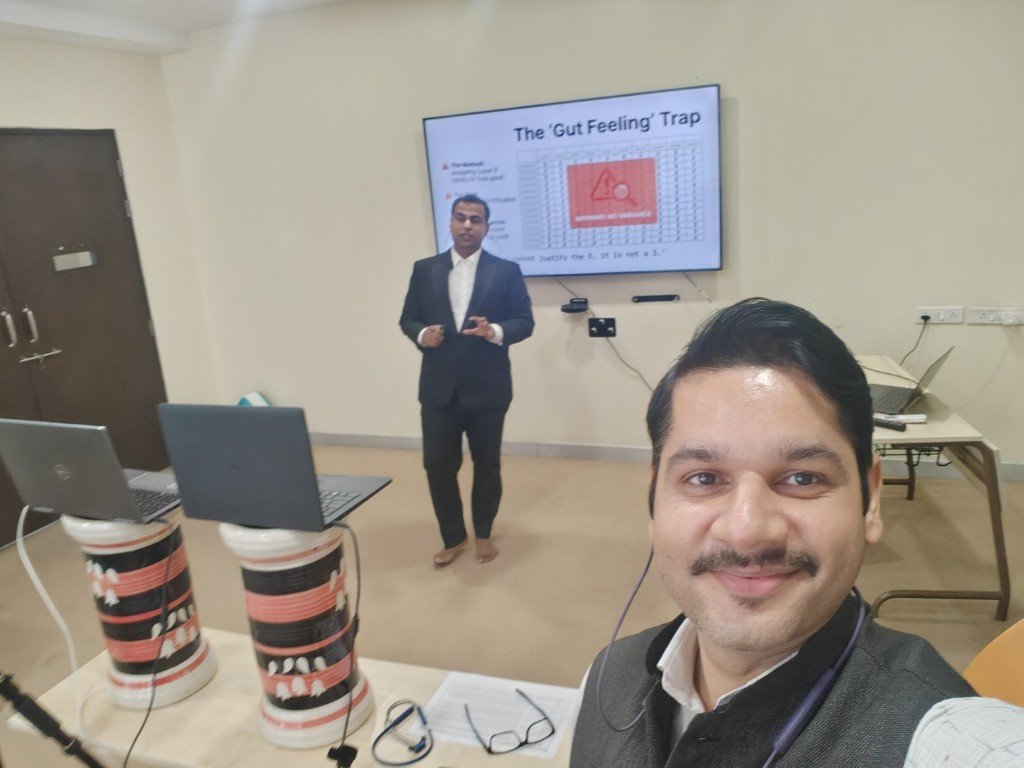
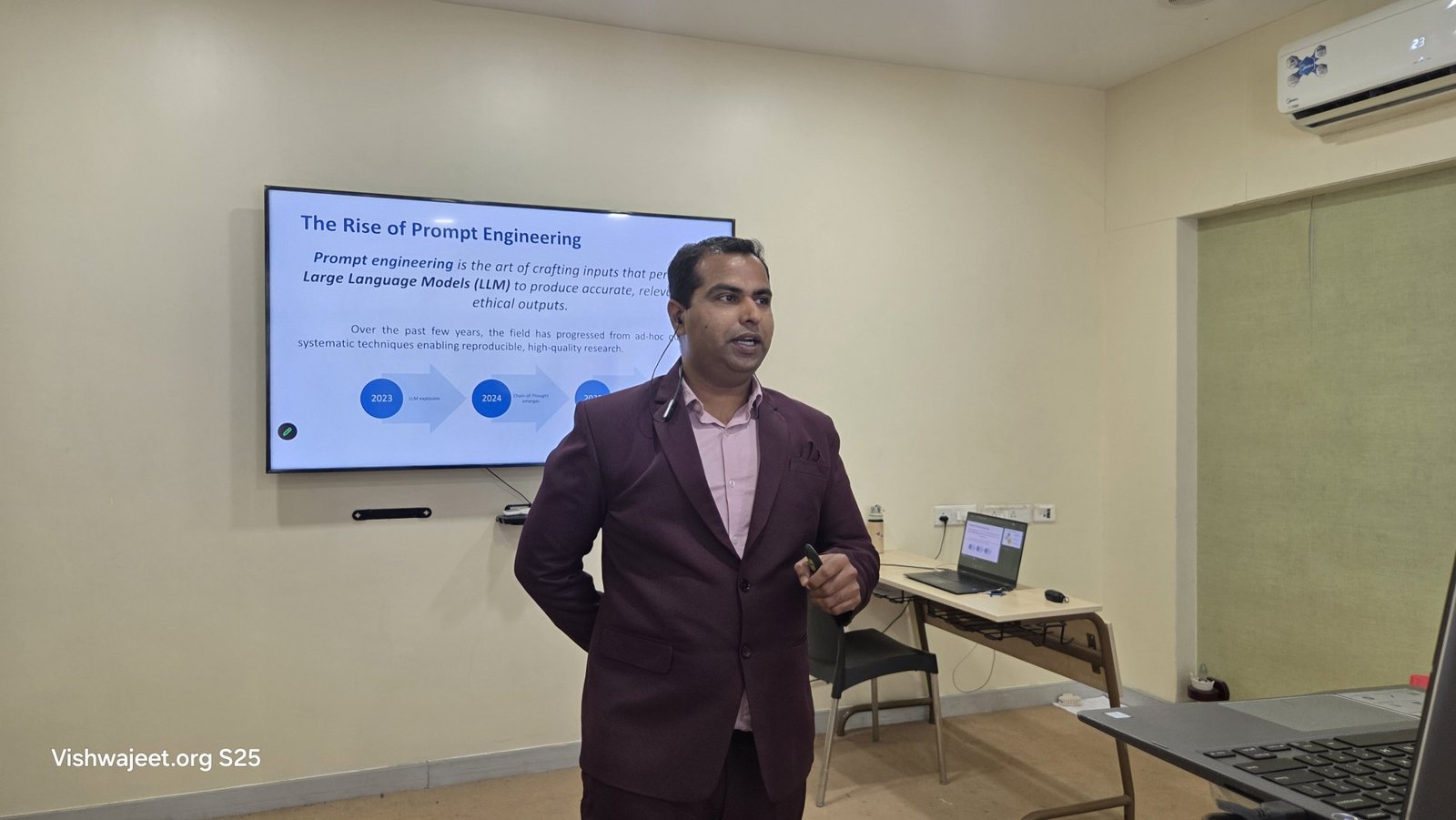
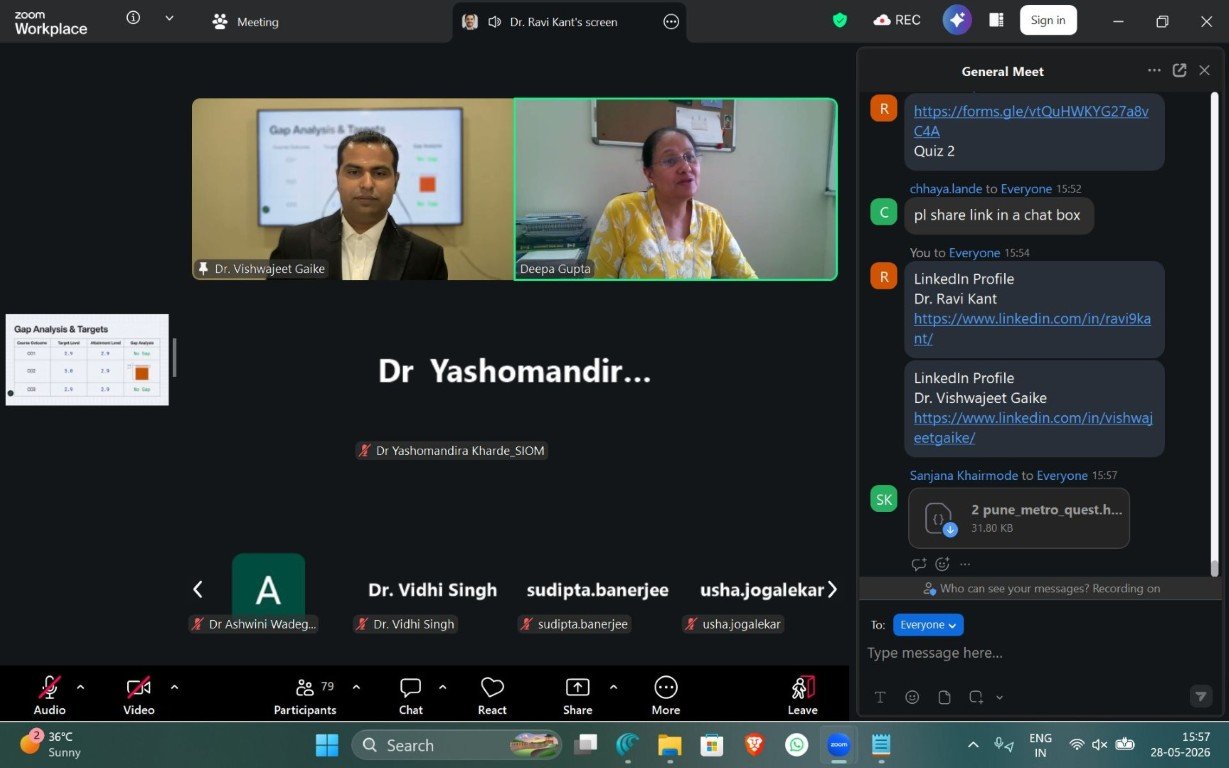
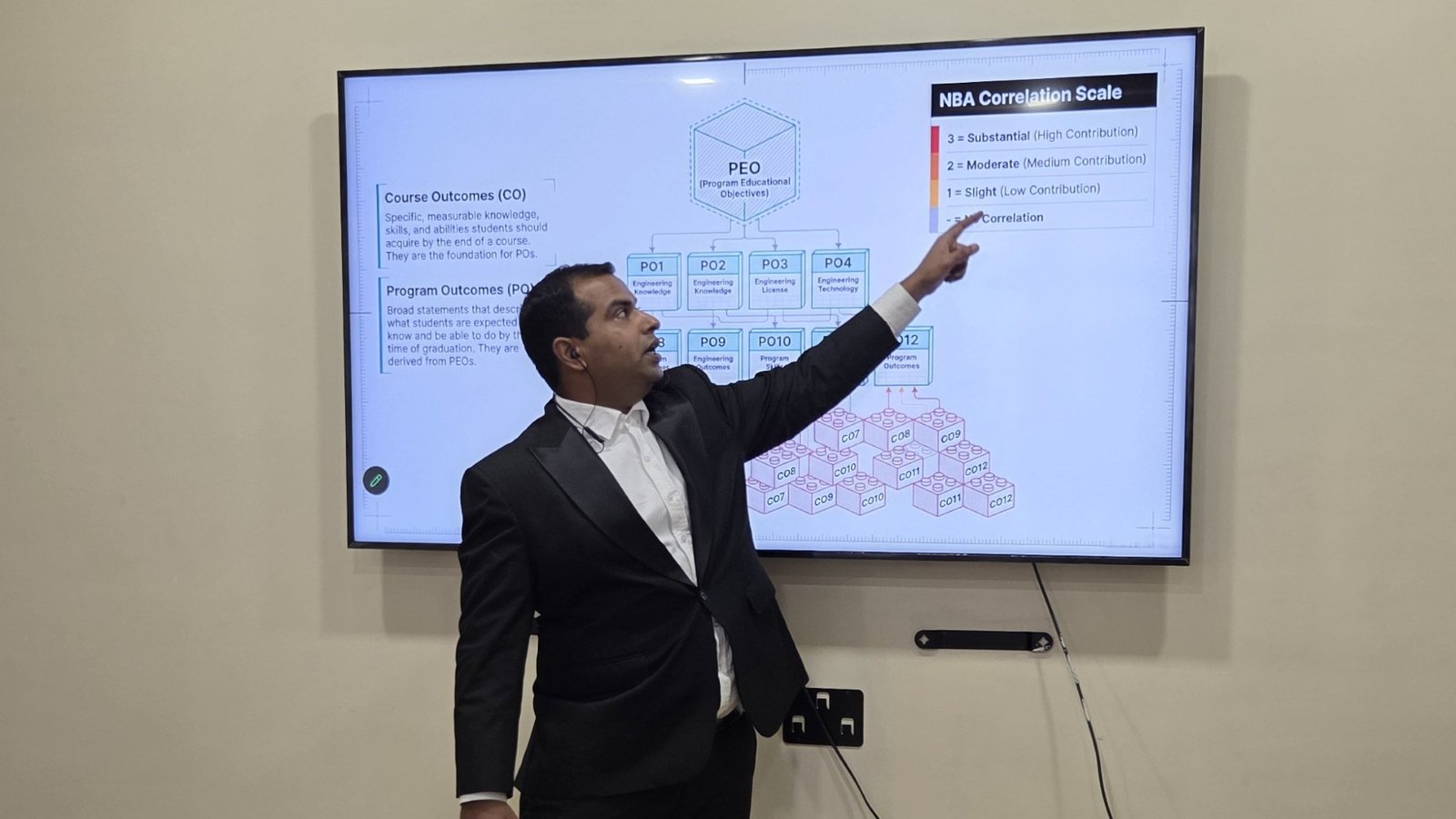
Empowering researchers and institutions with practical, compliant validation workflows and standardized verification frameworks.
A deep dive analysis on human creative authorship rules across COPE, WIPO, and IEEE core policies, alongside a practical guide to Elsevier's book and commissioned content AI usage regulations.
DOWNLOAD DAY 1 HANDOUT (PDF)Equipped with the complete structural AI Verification Checklist for faculty across all writing phases and the Standardized 4-Part Formula featuring deployment-ready manuscript templates.
DOWNLOAD DAY 2 HANDOUT (PDF)Verified verification assets from workshop evaluations, captured live during the execution of our research ethics and compliance initiatives.
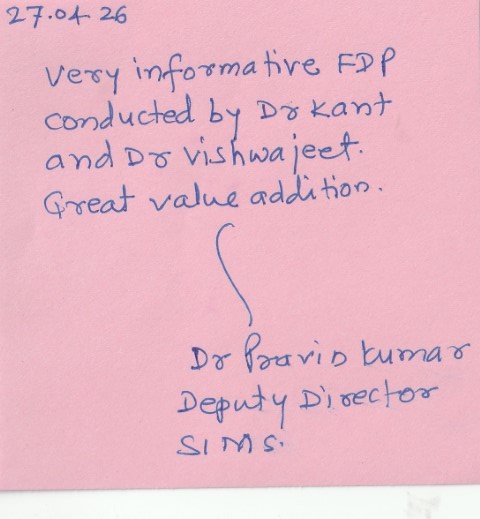
Very informative FDP conducted by Dr Kant and Dr Vishwajeet. Great value addition.
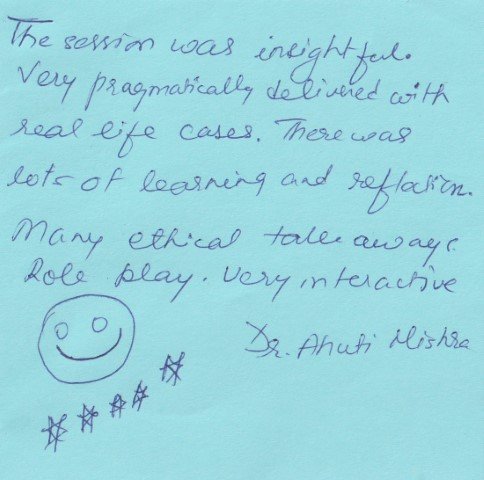
The session was insightful. Very pragmatically delivered with real life cases. There was lots of learning and reflection. Many ethical takeaways. Role play. Very interactive.
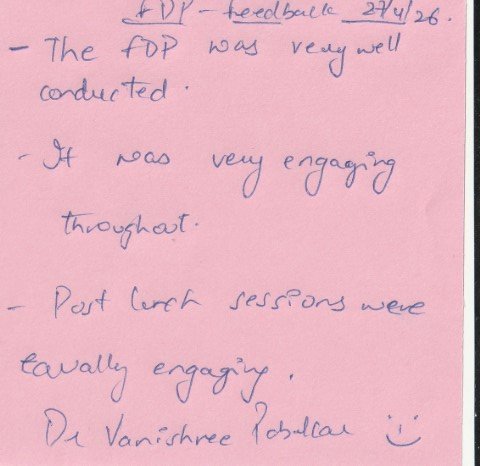
The FDP was very well conducted. It was very engaging throughout. Post lunch sessions were equally engaging.
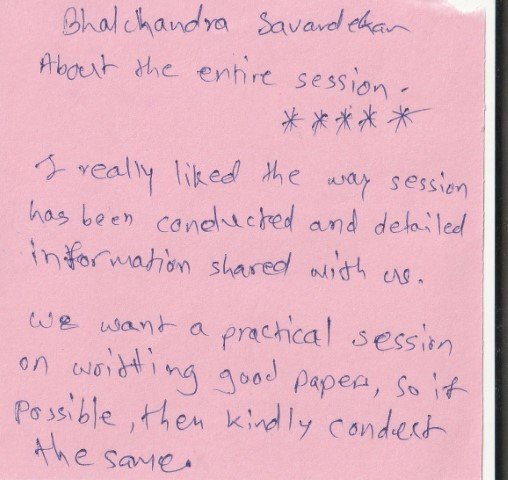
I really liked the way session has been conducted and detailed information shared with us. We want a practical session on writing good paper.
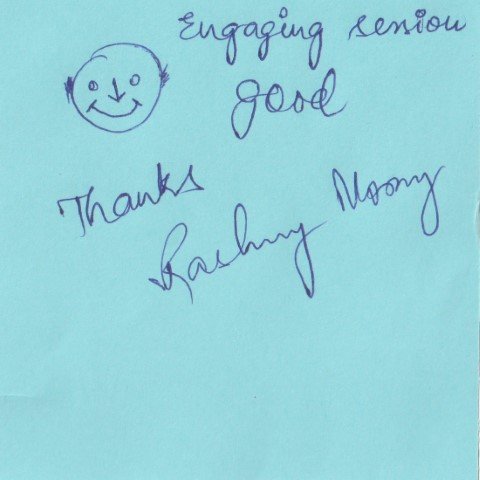
Engaging session, good. Thanks.
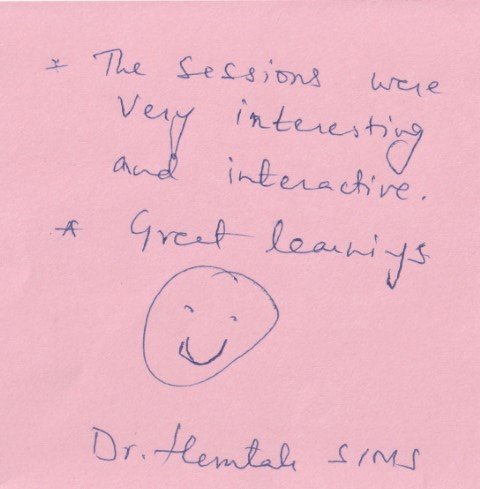
The sessions were very interesting and interactive. Great learnings.
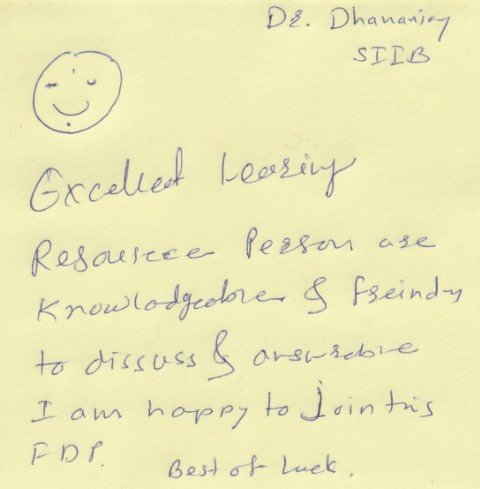
Excellent learning. Resource persons are knowledgeable and friendly to discuss, and answerable. I am happy to join this FDP. Best of luck.
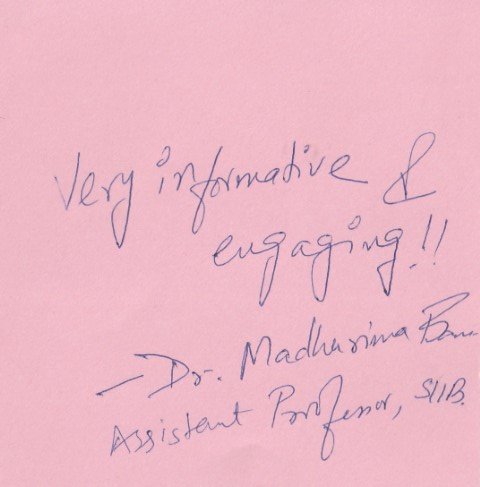
Very informative & engaging!!
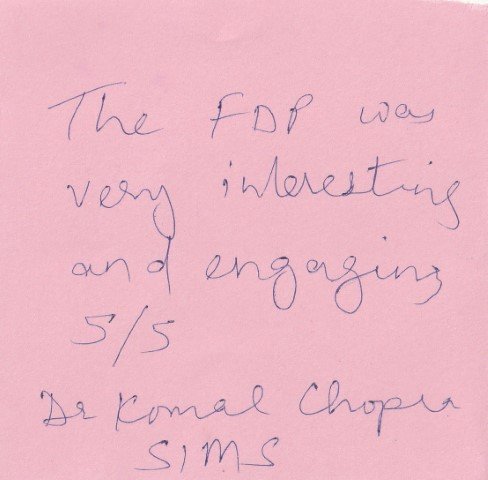
The FDP was very interesting and engaging. 5/5
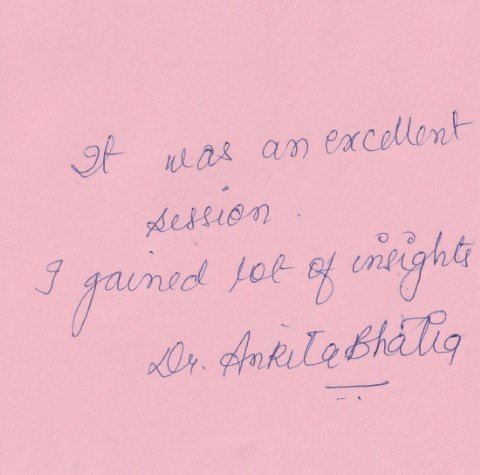
It was an excellent session. I gained lot of insights.
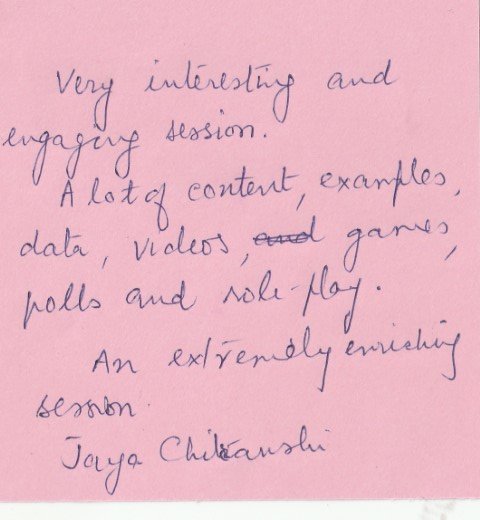
Very interesting and engaging session. A lot of content, examples, data, videos, games, polls and role play. An extremely enriching session.
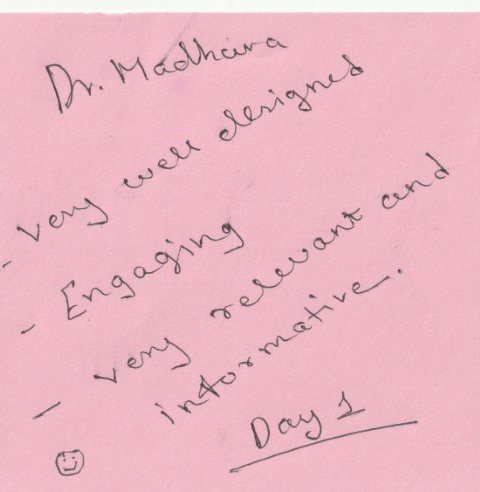
Very well designed. Engaging, relevant and very informative.
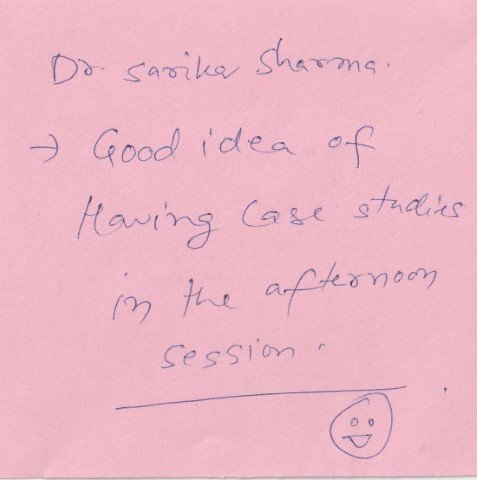
Good idea of having Case studies in the afternoon session.
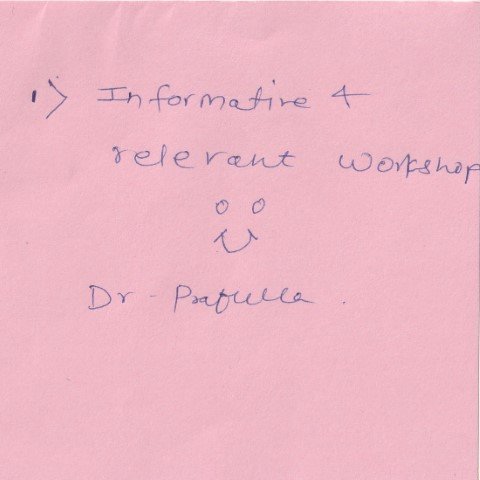
Informative & relevant workshop.
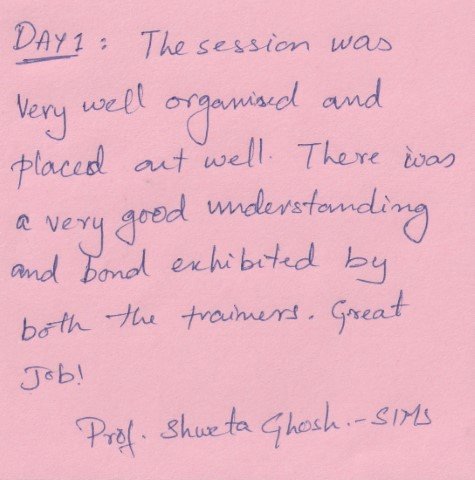
The session was very well organised and placed out well. There was a very good understanding and bond exhibited by both the trainers. Great Job!
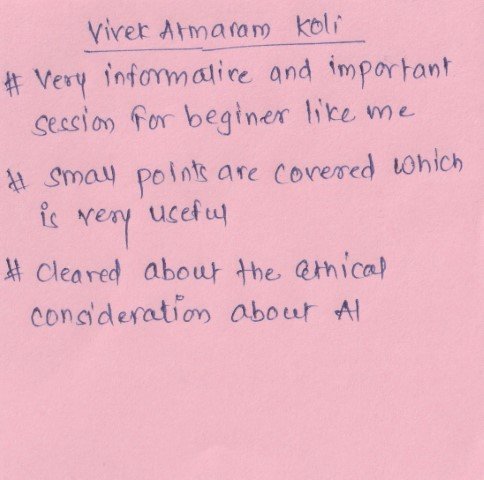
Very informative and important session for a beginner like me. Small points are covered which is very useful. Cleared about the ethical considerations about AI.
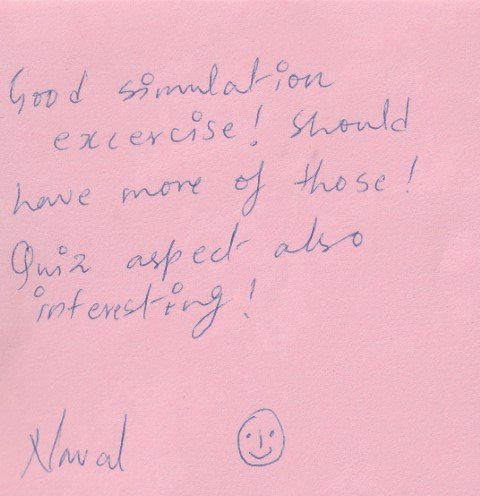
Good simulation exercise! Should have more of those! Quiz aspect also interesting!
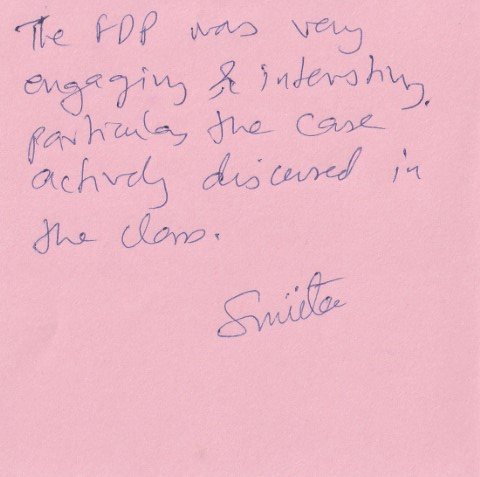
The FDP was very engaging & interesting. Particular the case activity discussed in the class.
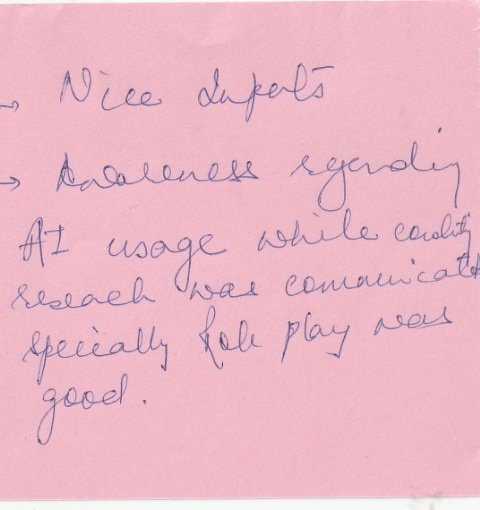
Nice efforts. Awareness regarding AI usage while writing research paper was communicated specially role play was good.
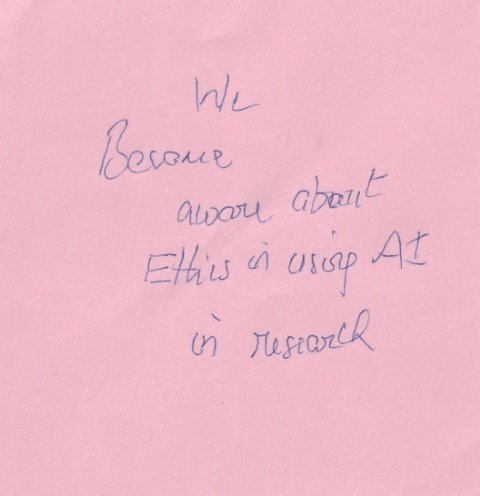
We became aware about Ethics in usage AI in Research.
Tools like Curipod, Gemini, and Moodle represent the most pragmatic, accessible tech stack for modern academicians. Rather than focusing solely on generative text, this FDP prioritizes tools that actively reduce administrative load—from synthesizing heavy reading materials via NotebookLM to automating standard rubric creation in Moodle, ensuring you spend time on facilitation, not formatting.
Yes. Day 2 of the FDP is entirely dedicated to Outcome-Based Education (OBE). We will demonstrate how to use AI to draft modern course descriptions, align Learning Outcomes to Bloom's Taxonomy, and generate corresponding assessment frameworks that match current industry demands.
We advocate for an "AI-Augmented, Human-Verified" approach. During Day 4, we focus extensively on drafting personal AI Charters. We teach you how to use AI to build the *structure* of a rubric or the *draft* of a marking scheme, but emphasize the critical boundaries of data privacy, bias awareness, and where human judgment must remain the final authority.